|
|
|
|
Worcester City Council allotments newsletter |
|
|
Hello Allotment Growers,
Welcome to the September edition of our Allotment Newsletter!
As the harvest season continues and autumn approaches, there is still plenty happening across our allotment sites. This month we're celebrating the winners of the 2026 Scarecrow Competition, highlighting an upcoming Fruit Tree Care and Grafting Session at the Guildhall, sharing seasonal growing advice, and exploring simple ways to support wildlife and improve soil health on your plot.
Thank you to everyone who has contributed photographs, stories, gardening tips and ideas for this newsletter. Your input helps us showcase the fantastic community spirit that exists across our allotment sites and shape future editions.
We hope you enjoy this month's newsletter and find plenty of ideas and inspiration for the weeks ahead. Happy growing!
|
|
🌟 This Month's Highlights |
|
|
There is plenty happening across Worcester's allotment community this September. Here's a quick look at what's inside this month's newsletter:
🏆Scarecrow Competition 2026 Winners See the winning entries from Old Northwick Lane and celebrate the creativity, humour and community spirit shown by allotment holders.
🍎 Fruit Tree Care & Grafting Session Join author, lecturer and countryside officer Wade Muggleton at the Guildhall on 29th September for an informative session on fruit tree care, pruning and grafting.
🌱 September Growing Guide What to sow, plant, harvest and prepare this month as the growing season begins to transition into autumn.
♻️ Don't Waste It, Compost It! Simple composting tips to improve soil health, reduce waste and prepare your plot for next year.
🐝 Wildlife & Biodiversity Focus Find out how small changes on your plot can support pollinators, birds and other beneficial wildlife throughout autumn and winter.
🌻 Plots Available Across the City Know someone interested in growing their own? Learn more about available allotments and joining the waiting list.
📢 Important Tenant Updates & Reminders Information on reporting issues, incidents and staying up to date with allotment news.
|
|
|
|
🍎 Fruit tree care and grafting session
A presentation will be delivered by Wade Muggleton – Author, college lecturer and countryside officer, as well as being interested in permaculture for over 30 years.
Date: 29/09/2026 Where: The Guildhall Tickets are available via Eventbrite, see link below.
|
|
|
|
🏆Scarecrow Competition 2026 -A Celebration of Creativity and Community Spirit |
|
|
|
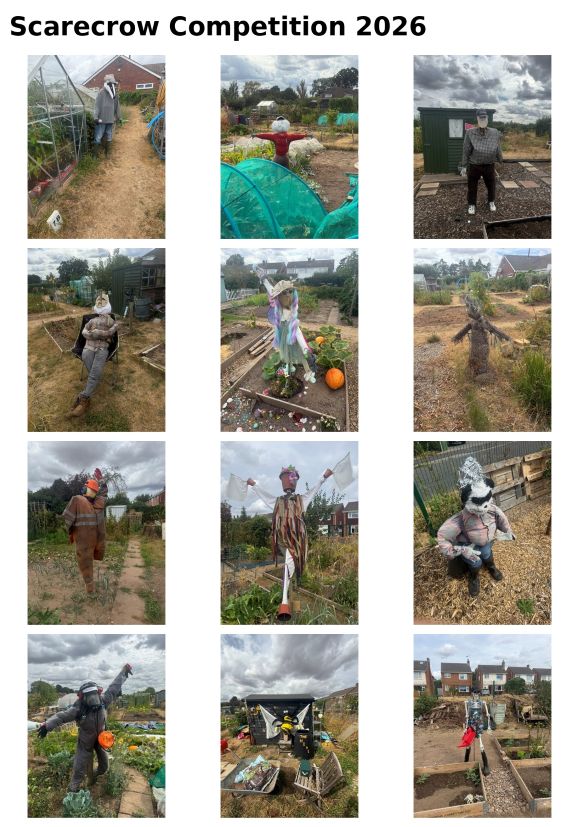
This year's Scarecrow Competition at Old Northwick Lane allotments was a fantastic success and a wonderful showcase of the creativity, humour and community spirit that makes our allotment sites so special.
The standard of entries was exceptionally high, making the judging process far from easy. From traditional scarecrows crafted using natural materials to imaginative themed creations full of character and personality, every entry brought something unique to the competition. What stood out most was the time, thought and enthusiasm that had clearly gone into each display.
The scarecrow names alone raised plenty of smiles, with entries including Badger Caught Red Handed, The Grumpy Fairy, Bring Me Sunshine, Bee Kind, Anyone for Golf? and Sleeping in Chair. Each creation told its own story and reflected the personality and imagination of its creator.
After much deliberation, the top three places were awarded to:
🥇1st Place - Morris Dancer A visually striking and highly imaginative creation that combined traditional heritage with creativity and excellent attention to detail. The entry stood out for its strong character, sense of movement and overall presentation.
🥈2nd Place - Badger Caught Red Handed A humorous and engaging allotment scene that immediately told a story. The clever concept and strong connection to allotment life made this a memorable and entertaining entry.
🥉 3rd Place - The Grumpy Fairy Full of personality and originality, this expressive and imaginative scarecrow impressed with its unique interpretation of the competition theme.
Several other entries were also highly commended for their creativity, gardening connections and imaginative presentation, including Old But Still There, Bring Me Sunshine, Bee Kind, Just Bloom and Anyone for Golf?.
A huge thank you to everyone who took part. Whether your scarecrow was funny, traditional, creative or simply made people smile, every entry helped make the competition such an enjoyable event. We were impressed not only by the quality of the displays but also by the enthusiasm shown by participants across the site.
With so many fantastic entries, selecting an overall winner was a challenge. However, one scarecrow stood out for its originality, craftsmanship and sense of character. We are therefore delighted to introduce the creator of this year's winning entry, Morris the Morris Dancer, and the story behind the scarecrow that danced its way to first place.
Winner Spotlight: Adam Warren and Morris the Morris Dancer
|
|
|
|
🥇 Overall Winner - Morris the Rain-Dancing Morris Dancer
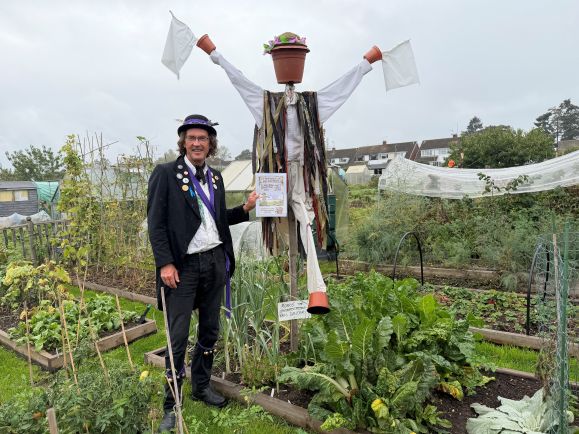
This year's overall winning scarecrow was "Morris", a wonderfully creative Morris Dancer created by Adam at Old Northwick Lane Allotments.
Morris immediately caught our attention with its distinctive character, movement and attention to detail. Inspired by traditional English Morris dancing, the scarecrow blended heritage, humour and creativity, with the clever use of materials helping to bring the figure to life. The display achieved the highest score in the competition and was praised for its strong visual impact, personality and seamless integration within the allotment setting.
When contacted following the competition, Adam explained that Morris was inspired by his involvement with Silurian Border Morris, and that he had been performing at the Bromyard Folk Festival on the day of the announcement. Adam said he had enjoyed walking around the site beforehand to admire the many inventive entries, adding that the allotments had "put on a good show" with a fantastic range of creative scarecrows.
We would like to congratulate Adam on a deserving win and thank him for sharing photographs of Morris in full Morris dancing attire for this newsletter. His entry perfectly captured the community spirit, imagination and enthusiasm that made this year's competition such a success.
Photo: Morris and creator Adam in his Silurian Border Morris costume.
|
|
|
🍂Top tips for your allotment in September |
|
|
September is a month of harvesting, preparing and planning ahead. With summer crops still producing and autumn approaching, now is the ideal time to tidy plots, improve soil, establish overwintering crops and support wildlife ahead of winter.
✅ Top tasks for September
🌱 General plot maintenance
Keep weeds under control and remove spent summer crops. Continue watering late crops during dry periods. Add compost or well-rotted manure to cleared beds. Check sheds, water butts, paths and fencing before wetter weather arrives. Save seed from healthy plants and make notes for next year's growing season.
🥕 Growing & sowing
Warm soil conditions still allow for autumn and winter planting.
Sow: Winter spinach, rocket, lamb's lettuce, winter salads, pak choi and radishes.
Plant or prepare for: Overwintering onions, garlic, broad beans, spring cabbages and new strawberry plants.
🌿 Soil improvement
Avoid leaving vacant beds bare over winter. Add organic matter, mulch exposed soil or sow green manures such as grazing rye, field beans or phacelia to improve soil structure and fertility.
🥔 Fruit & vegetable jobs - Harvest maincrop potatoes, root crops, sweetcorn, pumpkins and squash.
Continue picking beans, courgettes and late summer crops regularly.
- Harvest apples, pears, autumn raspberries, blackberries and late plums.
- Remove damaged fruit and store harvested crops carefully.
🍅 Greenhouse & polytunnel care - Harvest tomatoes, peppers, chillies and cucumbers.
- Ventilate on warm days and remove lower tomato leaves to improve airflow.
- Sow winter salad crops under cover and monitor for mould and disease.
🐛 Pest & disease watch
Regular checks can prevent small problems becoming bigger ones. Watch for: - Slugs and snails
- Cabbage white caterpillars
- Aphids and leek moth
- Tomato and potato blight
- Powdery mildew and grey mould
- Rodent activity around stored produce
🌼 Flowers & wildlife - Leave some seed heads for birds.
- Continue deadheading flowering plants.
- Plant spring bulbs and divide overcrowded perennials.
- Support pollinators by leaving nectar-rich flowers in bloom.
- Create or refresh bug hotels, log piles and wildlife habitats.
🥕 What to harvest in September
✅ Apples and pears ✅ Autumn raspberries and blackberries ✅ Beetroot and carrots ✅ Courgettes and beans ✅ Leeks and onions ✅ Maincrop potatoes ✅ Peppers and chillies ✅ Plums and damsons ✅ Pumpkins and squash ✅ Sweetcorn and tomatoes
📅 Planning ahead
As autumn progresses, begin preparing for next season by: - Planning crop rotations.
- Ordering garlic, onion sets and spring bulbs.
- Identifying beds that need additional compost or manure.
- Preparing storage areas for harvested produce.
- Planning winter maintenance projects.
- Recording successful varieties and lessons learned from this year.
🌿 Final thoughts
September is not simply about clearing plots ready for winter. It is a month of transition, offering opportunities to harvest the rewards of the growing season while preparing for the next one. Continue harvesting regularly, establish overwintering crops where space allows, improve vacant beds with compost or green manures, and take time to support wildlife across your plot. The work carried out now will help create healthier soil, stronger crops and a more productive allotment next year.
🍂 Enjoy the harvest, embrace the changing season, and start laying the foundations for a successful 2027 growing year. 🌱🥕🍎
For more seasonal growing advice and resources, see links below.
|
|
|
|
🌱 Could an Allotment Be Your New Favourite Hobby? |
|
|
Looking for a rewarding way to spend more time outdoors, grow your own fresh fruit and vegetables, improve your wellbeing, and meet friendly local people?
An allotment offers all of this and more. Whether you're an experienced gardener or have never grown a seed before, our allotment community welcomes people of all ages and abilities.
✅ Grow your own fresh produce ✅ Enjoy the benefits of outdoor exercise ✅ Support local wildlife and nature ✅ Learn new skills and share knowledge ✅ Meet like-minded people in your community
We currently have plots available at Waterworks Road Allotments, and vacancies may also be available at other sites across the city. If you're interested, or know someone who might be, apply today to join our waiting list and take the first step towards growing your own - see link below.
For the latest information on vacancies and waiting lists, keep an eye on our allotments webpages.
Please share this with friends, family, neighbours, or anyone who might enjoy the benefits of allotment gardening. 🌻🥕🍓
|
|
|
|
|
|
🐝Wildlife & sustainable growing |
|
|
Don't Waste It, Compost It! |
|
|
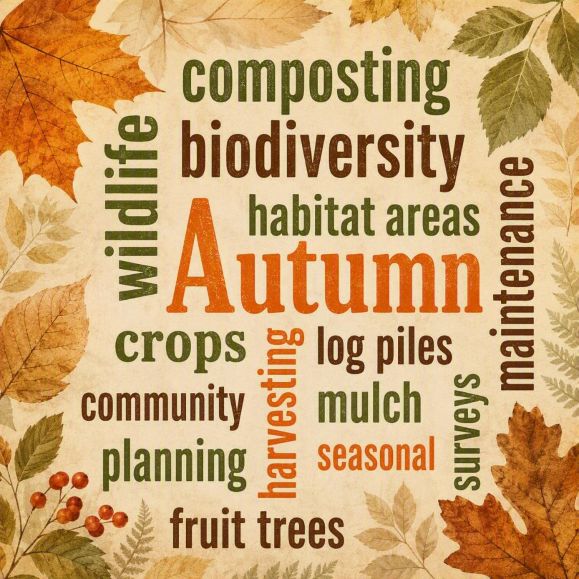
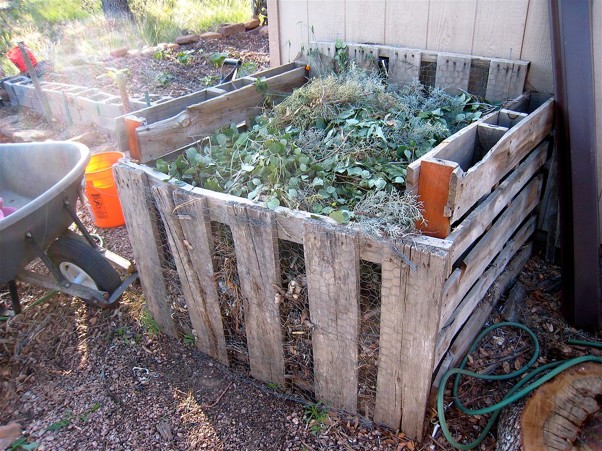
Composting is one of the simplest ways to improve your allotment while reducing waste. By recycling garden cuttings, vegetable peelings, fallen leaves and other organic materials, you can create a free soil improver that benefits your plot year after year. Compost adds valuable organic matter to the soil, helping it retain moisture during dry periods, improve drainage in heavier soils and support the beneficial worms and microorganisms that keep soil healthy.
A good compost heap contains a balance of "greens", such as grass cuttings and vegetable peelings, and "browns", including cardboard, straw and autumn leaves. Over time, these materials break down into a rich, crumbly compost that can be used as a mulch around crops or incorporated into the soil before planting. Regular additions of compost can improve soil structure, help crops establish more quickly and support stronger, healthier harvests.
As autumn approaches, now is an ideal time to prepare your plot for the seasons ahead. There are a few simple jobs that can benefit both your compost heap and your plot: - Use fallen leaves, straw or leaf mould to mulch bare soil.
- Sow green manures such as winter vetch or grazing rye on empty beds to protect and improve soil over winter.
- Empty and store any finished compost ready for use next spring.
To keep your compost heap working efficiently, turn it regularly to introduce air, speed up decomposition and discourage pests from settling in the heap. Turning compost can also help deter rats, as it disturbs potential nesting areas and makes the heap less attractive as a shelter. If you use a worm bin, consider moving it under cover before severe frosts arrive to help protect the worms over winter.
Whether you're a first-time plot holder or a long-standing allotment gardener, composting is a simple habit that can lead to healthier soil, stronger crops and less waste. A little effort now can help lay the foundations for a productive growing season next year.
For more information and tips on composting, please see links below.
|
|
|
|
Biodiversity on your plot |
|
|
Allotments are much more than places to grow fruit and vegetables. They can also provide valuable habitats for wildlife, creating small but important pockets of nature within our communities. By welcoming wildlife onto our plots, we can improve pollination, encourage natural pest control, improve soil health, and create a more enjoyable environment for everyone. Worcester City Allotments actively encourage biodiversity, with tenants able to dedicate up to 20% of their plot to wildlife-friendly features such as wildflowers, ponds, bug hotels and habitat piles.
Why Biodiversity Matters
A healthy allotment is a balanced ecosystem. Bees, butterflies and other pollinators help increase crop yields, while frogs, toads, beetles and birds help control pests naturally. Diverse planting also strengthens the resilience of plots by supporting a wider range of beneficial insects and wildlife.
Wildlife-friendly allotments act as important stepping stones between larger habitats, helping nature move through urban areas while providing food, water and shelter for local species.
Five Easy Ways to Support Wildlife
Add Water to Your Plot
Add Water to Your Plot
Even a small pond can make a big difference. A wildlife pond, or even a simple pond in a container, can attract frogs, toads and newts, all of which feed on slugs and other pests. Ensure there is a gently sloping edge or escape route so wildlife can safely enter and leave the water.
Build a Log Pile or Bug Hotel
Logs, twigs, leaves and hollow stems provide shelter for insects, beetles and solitary bees. These creatures play an important role in pollination and natural pest control. A small habitat pile tucked into a corner can quickly become home to a surprising amount of wildlife.
Create a Wildflower Patch
Leaving a small area uncut and sowing native wildflowers provides nectar and pollen throughout the growing season. Bees, butterflies and hoverflies will all benefit, and many will repay the favour by helping pollinate your crops.
Compost for Nature and Soil Health
A well-managed compost heap does more than produce nutrient-rich compost. It can also provide shelter for beetles, slow worms and other beneficial wildlife. Turning compost regularly helps produce excellent compost for your plot while supporting a healthy ecosystem.
Plant for Pollinators
Mixing nectar-rich flowers among vegetables is one of the easiest ways to increase biodiversity. Flowers such as marigolds, nasturtiums, cosmos and lavender attract pollinators and beneficial insects while adding colour to the plot. Companion planting can also help reduce pest problems without relying on chemical sprays.
Gardening with Nature
Being wildlife-friendly does not mean allowing plots to become overgrown. Successful allotments strike a balance between cultivation and biodiversity. Keeping paths tidy, managing weeds, harvesting crops promptly, and maintaining compost bins responsibly all help support wildlife while keeping plots productive and enjoyable for neighbouring tenants.
Sometimes the best thing we can do is simply leave a small area undisturbed. A patch of long grass, a pile of logs, or a collection of flowering plants can become a haven for insects, birds and small mammals. These habitats help create vibrant allotment sites that support both food growing and nature recovery.
Every Plot Can Help
You do not need a large plot or a major project to make a difference. A few wildflowers, a bug hotel, a compost heap or a small pond can all contribute towards making our allotment sites richer in wildlife. Together, these small actions create healthier plots, support local biodiversity, and make our allotments even more enjoyable places to spend time.
|
|
|
|
|
September on the allotment
September is a great month to enjoy the wildlife that shares our allotment sites. As the seasons begin to change, a few simple actions can help support nature through autumn and into winter.
🐦 Birds on the move
Many birds are preparing for migration, while others begin returning for the winter. Leaving some seed heads on flowers and allowing hedgerows or berry-bearing plants to thrive can provide valuable natural food sources.
🍄Fungi appearing
After damp weather, you may notice fungi appearing in grass, leaf litter or around woodchip paths. While often overlooked, fungi play an important role in breaking down organic matter and recycling nutrients back into the soil.
🦋 Late-flying butterflies
Butterflies such as Red Admirals and Commas can often still be seen on warm September days. Late-flowering plants, including cosmos, marigolds and lavender, provide an important source of nectar at this time of year. If butterflies choose sheds, log piles or wood stores for shelter, consider leaving these areas undisturbed over winter.
🌼 Looking Ahead
Autumn is also a good time to plan for next year's pollinators. Consider planting or establishing lavender, and leave space to sow nectar-rich flowers such as marigolds, nasturtiums and cosmos next spring. A mixture of flowers and crops will help attract bees, butterflies and other beneficial insects throughout the growing season.
Simple September jobs for biodiversity - Leave some flower seed heads for birds.
- Keep a compost heap active and well managed.
- Create or refresh a bug hotel or log pile.
- Leave a small area undisturbed for overwintering wildlife.
- Plant pollinator-friendly perennials such as lavender.
Record and share interesting wildlife sightings from your site. Small changes across many plots can make a big difference, helping to create allotment sites that are productive, attractive and rich in wildlife all year round. 🌼🐝🦋🐦🍄
|
|
|
|
|
|
Did you know that growing on an allotment can benefit both your physical and mental wellbeing? Spending time outdoors, growing your own food, meeting like-minded people and connecting with nature can all contribute to a healthier lifestyle.
Our Allotments and Wellbeing webpage brings together information, local support services and community activities that help promote health, wellbeing and social connection through allotment gardening. Whether you're looking to improve your fitness, support your mental wellbeing, or simply enjoy spending more time outdoors, there are plenty of opportunities to get involved.
Find out more about local wellbeing initiatives, community projects and support available across Worcester by visiting the Allotments and Wellbeing webpage using the link below. 🌱💚
|
|
|
|
|
If you would like to stay informed, please see our all-tenant update, this is available shortly following our quarterly allotment site coordinator meetings.
|
|
|
|
Reporting issues on allotments sites |
|
|
Please use the Council's online reporting system to report any issues on an allotment site that relate to the following:
Track repairs Fence damage Plot issues Water or standpipe Order maintenance requirements Asbestos Vandalism Theft Boundary issues Pesticide Health and safety issue Other
Before reporting any allotment issues, please check that the allotment is Worcester City Council's responsibility.
|
|
|
Reporting incidents on allotments sites |
|
|
If you need to report an incident onsite, please complete an allotment incident reporting form.
Incidents to be reported include: - Personal injury
- Property or equipment damage
- Vehicle Incident
- Exposure to hazardous substances
- Physical/Verbal abuse
- Near Hit/Cause for concern
|
|
|