|
|
|
|
Worcester City Council allotments newsletter |
|
|
Hello allotment growers,
Welcome to the 5th edition of our Allotment Newsletter!
Whether you're a long-standing tenant or have only recently taken on a plot, we're delighted to bring you the latest seasonal updates, practical growing advice, and news from across Worcester's allotment community.
Each edition is designed to help you get the most from your allotment, with timely tips, useful reminders, site updates, and ideas to support successful and sustainable growing throughout the year.
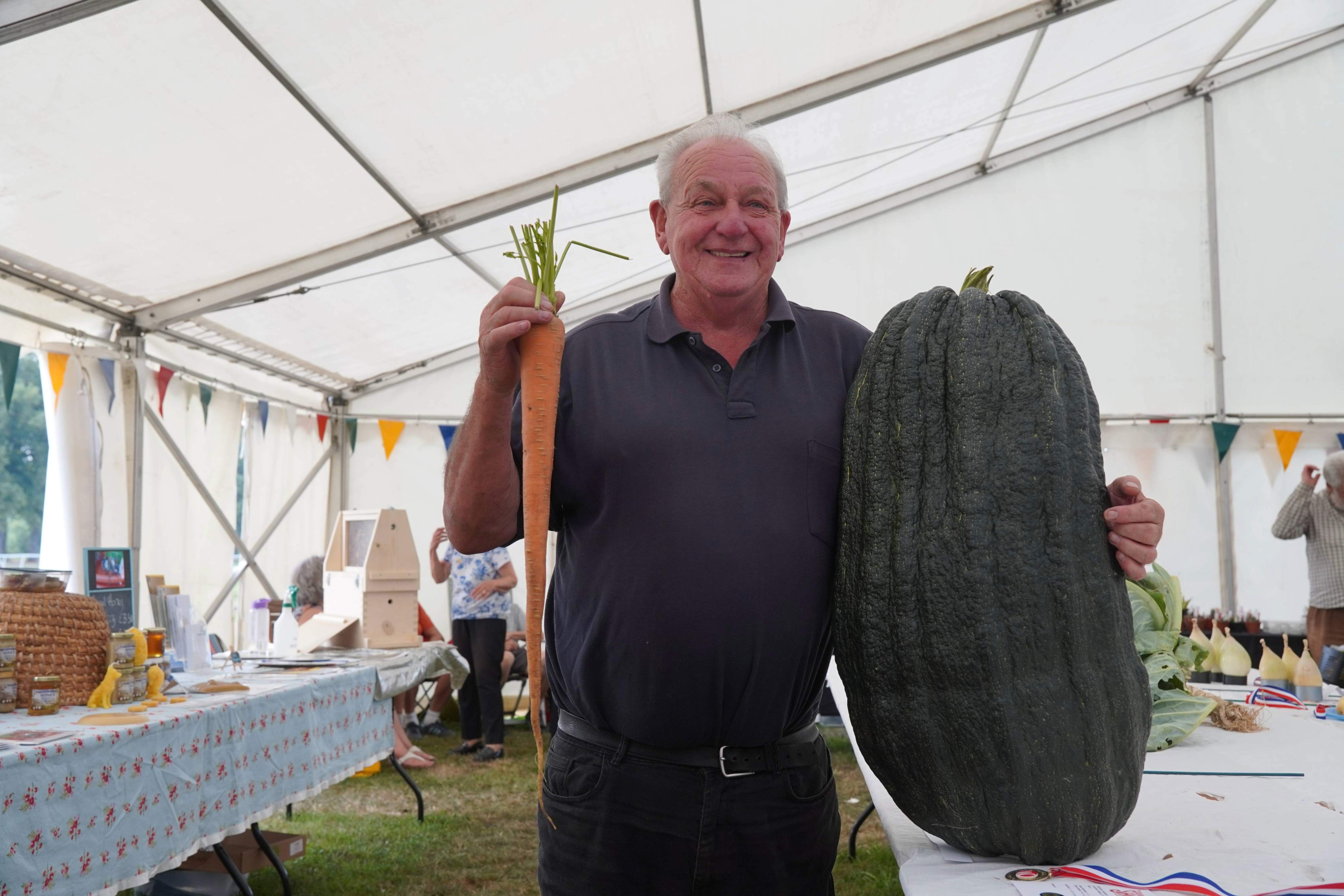
Thank you for the emails, comments, and suggestions you've shared for this edition. We always enjoy hearing about your achievements, whether it's a prize-winning pumpkin, a first harvest, or simply a plot that's starting to take shape. Please continue to share your experiences, questions, and ideas with us.
Our allotments are much more than places to grow fruit and vegetables. They are valuable green spaces that support wildlife, encourage wellbeing, strengthen communities, and provide opportunities to learn and connect with nature.
We hope you enjoy this latest newsletter and find it a useful companion as we move through one of the busiest months of the growing season.
Here's to a productive and rewarding July!
|
|
|
|
Top tips for your allotment in July |
|
|
🌻 July on the allotment - Maintain, harvest & plan ahead
July is one of the busiest months on Worcester's allotments. Plots are bursting with growth, summer crops are reaching their peak, and harvest baskets are beginning to fill with fresh produce.
Alongside the rewards of harvesting comes the need for regular maintenance. Warm temperatures, longer days, and occasional dry spells mean watering, feeding, weeding, and pest monitoring become increasingly important. It's also an ideal time to think ahead and start preparing for autumn and winter harvests.
Read on for some simple seasonal reminders to help keep your plot healthy, productive, and looking its best throughout the month.
🌤️ What to expect in July
July is a month when little and often pays off. Keeping on top of routine jobs now will help crops remain productive well into late summer and autumn.
Expect: - Warm temperatures with longer daylight hours and dry conditions.
- Rapid plant growth, meaning regular watering, feeding, and weeding are essential.
- Busy wildlife activity, with pollinators thriving alongside increased pest activity.
- Plenty of harvesting while continuing to sow and plant crops for later in the year.
- Support and maintenance tasks for climbing crops, fruit bushes, and greenhouse plants.
✅ Top tasks for July
🌱 General plot maintenance
July is often the busiest month on the allotment, with crops growing rapidly and harvests gathering pace. A little time spent every few days on routine maintenance will keep your plot productive and manageable.
Water wisely
Water deeply during dry spells rather than little and often. Water early morning or late evening to reduce evaporation. Prioritise containers, newly planted crops and thirsty plants such as squash, beans and sweetcorn.
Make the most of stored rainwater wherever possible.
Keep weeds under control
A quick hoe around the plot on dry days can prevent weeds competing with crops for valuable water, light and nutrients.
Mulch bare soil
Apply compost, leaf mould or well-rotted manure around crops to help retain moisture and suppress weeds during warmer weather.
🥕 Vegetable growing
Continue sowing
There is still plenty of time to sow crops for late summer and autumn harvests, including: - Lettuce and salad leaves
- Beetroot
- Turnips
- Pak choi, mizuna and other oriental greens
- Spring onions
- Carrots
- Spinach
- Radish
Plant for winter harvests
Plant out or establish: - Leeks
- Winter cabbage
- Kale
- Purple sprouting broccoli
- Brussels sprouts
Feed and support crops - Feed tomatoes, cucumbers, peppers and courgettes regularly.
- Tie in climbing beans and other supported crops.
- Remove side shoots from cordon tomatoes and stop plants once sufficient fruit trusses have formed.
Harvest frequently
Regular picking encourages continued cropping: - Courgettes
- Runner and French beans
- Cucumbers
- Peas
- Salad crops
Other jobs - Earth up leeks and celery where needed.
- Give sweetcorn a gentle shake to aid pollination.
- Lift garlic and early onions once foliage begins to yellow and dry.
🍓 Fruit growing
July is one of the most rewarding months for fruit growers.
Harvest Regularly
Keep picking: - Strawberries
- Raspberries
- Currants
- Gooseberries
- Cherries
- Early blueberries
Regular harvesting improves fruit quality and reduces losses to birds and pests.
Summer pruning - Prune gooseberries, redcurrants and white currants after harvesting.
- Continue training fan-trained plums and cherries.
- Remove suckers from the base of fruit trees.
General care - Check tree ties are not restricting growth.
- Support heavily laden branches where required.
- Water container-grown and newly planted fruit during prolonged dry weather.
🍅 Greenhouse & polytunnel
Stay cool
Greenhouses can heat up quickly during July. - Open vents and doors daily.
- Provide shading during very hot weather.
- Ensure plants don't dry out.
Check plants regularly
Look out for: - Whitefly
Aphids
- Red spider mite
- Blossom end rot on tomatoes
Watering and feeding will help keep plants healthy and productive.
🌼 Flowers & pollinators
Deadhead and pick flowers
Regularly remove spent blooms from: - Sweet peas
- Dahlias
- Cosmos
- Calendula
The more you pick, the more flowers many plants will produce.
Support pollinators
Include nectar-rich flowers around your plot such as: - Borage
- Lavender
- Nasturtiums
- Sunflowers
- Calendula
These help attract bees and other pollinating insects, benefiting fruit and vegetable crops.
🐞 Pest & disease watch
July's warm weather can encourage pests and diseases, so regular inspections are worthwhile.
Look out for - Potato and tomato blight during warm, humid conditions.
- Cabbage white caterpillars on brassicas.
- Aphid colonies on soft young growth.
- Asparagus beetle on established asparagus plants.
- Slugs and snails around young crops.
Remember that small numbers of insects are often beneficial and provide food for birds and other wildlife.
🧺 What you may be harvesting
Depending on sowing dates and weather conditions, July harvests may include:
🥔 New potatoes 🧄 Garlic 🧅 Early onions and shallots 🥕 Carrots 🥬 Salad leaves 🥒 Cucumbers 🌽 Sweetcorn 🫘 Runner and French beans 🥬 Chard and spinach 🍓 Strawberries 🍒 Cherries 🍇 Currants and gooseberries 🍓 Raspberries 🌿 Herbs 🥒 Courgettes
July is all about enjoying the rewards of your hard work while keeping one eye on the seasons ahead. Harvest little and often, keep on top of watering and weeding, and continue sowing for late summer, autumn and winter crops. Most importantly, take time to enjoy your plot. Whether you're harvesting your first courgette, sharing surplus beans with neighbours, or simply sitting with a cup of tea after a productive session, July is one of the most rewarding months on the allotment.
Happy growing! 🌱
|
|
|
|
|
|
|
The recent heatwaves and continuing dry weather are creating challenges for water supplies across the region. With allotment tenants naturally wanting to keep crops healthy and productive, now is a good time to think about how we use, store and conserve water so that this valuable resource remains available for everyone.
💧 Water use on allotments during hot weather
🌿 Why this matters on our allotments
Severn Trent has reported that the region is currently experiencing its third heatwave of the summer, with little significant rainfall forecast in the near future. Demand for water has risen dramatically, with customers using substantially more water than normal during the hot weather.
Recent figures from Severn Trent show water demand has reached record levels, exceeding even those experienced during the 2022 drought and the Covid-19 pandemic. Water use has been running at almost 2.4 billion litres per day, around 400 million litres more than average, with demand remaining high well into the night as people water gardens, fill paddling pools and use more water around the home.
Although there are currently no water restrictions in place, Severn Trent is encouraging everyone to take simple steps to reduce unnecessary water use and help protect supplies throughout the summer.
For allotment gardeners, water is essential for healthy crops, but it is also a shared and precious resource. By using water efficiently and sustainably, we can help support both our plots and the wider environment.
📋 Important guidance for all allotment tenants
To protect everyone's plots and shared environment, tenants are asked to follow these important rules: - Sprinklers are not permitted on allotment sites.
- Do not alter or allow anyone to alter the Council's water supply system.
- Always remain present when applying water to your plot.
- Use water thoughtfully and avoid unnecessary waste.
- Where available, make use of stored rainwater before drawing from mains-fed supplies.
These measures help ensure fair access to water for all plot holders and reduce pressure on supplies during periods of prolonged hot weather.
🌼 What you can do
Small actions can make a big difference:
Water smarter - Water crops early in the morning or late in the evening, when temperatures are cooler and less water is lost through evaporation.
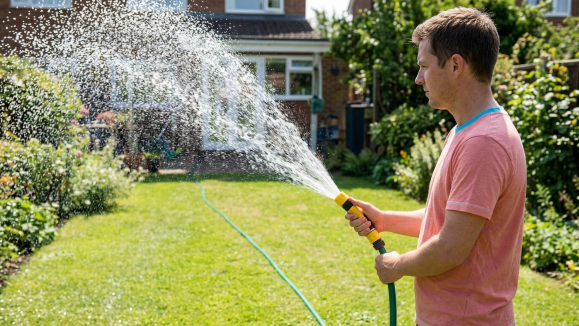
- Use a watering can rather than a hose or sprinkler so water goes exactly where it is needed.
- Focus watering at the base of plants to encourage deeper roots and reduce waste.
- Most established plants do not require daily watering. A thorough soak once a week is often more beneficial than frequent light watering.
Collect and store rainwater
Rainfall patterns in the UK have changed in recent years, with wetter winters and periods of heavy rainfall becoming more common. Making the most of this water can significantly reduce reliance on mains supplies.
Consider: - Installing guttering on sheds, greenhouses or polytunnels to capture rainfall.
Using water butts connected to roofs wherever practical.
- Repurposing suitable containers such as plastic barrels.
- Requesting a recycled wheeled-bin water butt from the Council by emailing allotments@worcester.gov.uk
- Using larger storage options such as Intermediate Bulk Containers (IBCs) where appropriate, ensuring stored water is covered and maintained safely.
Reduce waste - Reuse water where suitable, such as clean water from paddling pools on ornamental plants.
- Run washing machines and dishwashers at home with full loads.
- Consider mulching around crops to help retain soil moisture and reduce evaporation.
- Allow grassed areas to recover naturally during dry spells. Lawns are remarkably resilient and typically recover when wetter weather returns.
💡 Sustainable Water Collection
Every allotment plot has different watering requirements depending on: - Soil type and moisture retention
- The crops being grown
- Plot size
- Local weather conditions
Taking time to understand your plot's needs can help avoid overwatering and conserve valuable supplies.
A well-planned rainwater collection system can provide a useful reserve during dry periods and reduce reliance on mains water when demand is high.
Ask yourself: - How much water do I actually use on my plot?
- Could I collect more rainwater from existing structures?
- Are there opportunities to improve water storage capacity?
- Am I watering efficiently and at the right times?
🌍 A positive approach
Allotments are in a great position to lead by example.
By working with nature, we can:
Reduce pressure on local water supplies. Make better use of natural rainfall. Improve long-term resilience during dry periods. Protect this valuable resource for fellow tenants and future generations.
Continue growing healthy, productive crops in a sustainable way.
We are asking for everyone's support to help conserve water. By making a few simple changes to how we use and store water, allotment communities can play an important role in helping keep water flowing this summer.
Every plot counts. Even small changes help keep our allotments healthy, productive and enjoyable for everyone. 🌱💧
|
|
|
|
|
|
|
Support to help you keep growing
For many people, an allotment is far more than a place to grow fruit and vegetables. It is a source of enjoyment, exercise, friendship and connection with nature. However, there may come a time when maintaining a plot becomes more challenging due to changing circumstances.
Health conditions, reduced mobility, caring responsibilities, work commitments, or simply the natural effects of ageing can make digging, weeding and carrying heavy loads much harder than they once were. If you find yourself in this position, please remember that support is available and there is no shame in adapting your allotment journey.
At Worcester City Council allotments, we are always looking for new way to make allotments more accessible, inclusive and sustainable.
We recognise that individual needs can change over time. If you are struggling to maintain your current plot, there are several options that may help you continue enjoying your allotment: - Applying for a smaller plot where available.
- Considering a half or quarter plot arrangement.
- Adapting areas of your plot with raised beds to reduce bending and heavy lifting.
Creating pollinator-friendly or wildlife-friendly areas (up to 20%) that require less intensive cultivation while supporting biodiversity.
- Registering a co-worker to assist with the cultivation and maintenance of your plot.
Our Co-Worker Policy provides a formal way for tenants to nominate someone to help manage their plot. A registered co-worker can assist with cultivation and maintenance, helping tenants keep their plots productive and in good condition. Co-workers, whether temporary or permanent, must be registered and approved by the Council, be aged 18 or over, and reside within the Worcester City Council area. A co-worker may also be considered for a future tenancy transfer in specific circumstances, subject to Council approval and the provisions set out in the policy.
If you feel you may benefit from support, we encourage you to speak with your Site Coordinator in the first instance. They can discuss your circumstances and help identify practical solutions that may enable you to continue enjoying your allotment.
Most importantly, your value to the allotment community is not measured by the size of your plot or the quantity of produce you grow. The knowledge you share, the encouragement you offer to fellow tenants, and the friendships you build are just as important as the harvest itself. Sometimes adapting your plot, seeking support, or downsizing is not about giving up. It is about finding a way to continue gardening that works for you.
For more information about allotment policies, procedures, waiting lists and vacancies, please visit our webpages - see link below.
If you would like to discuss your options confidentially, please contact the Allotments Team or speak with your Site Coordinator.
We are here to help you keep growing. 🌱
|
|
|
|
|
Seeds and Sowing Groups for Allotment Tenants
Growing your own fruit, vegetables and flowers is one of the most rewarding parts of having an allotment, but it can be even better when ideas, experiences and surplus seeds are shared with fellow plot holders.
Following a suggestion from one of our tenants, we are exploring the possibility of arranging informal seeds and sowing groups where tenants can meet up, swap seeds, share gardening knowledge and discuss what is growing well on their plots.
Why Join a Seed Group?
Seed groups are a great way to: - Swap spare seeds and reduce waste.
- Try new varieties without buying full packets.
- Share successful sowing techniques and growing tips.
- Learn from more experienced growers.
- Meet other allotment tenants and build a stronger community.
- Discuss seasonal jobs and upcoming gardening tasks.
Whether you are a complete beginner or a seasoned allotment gardener, everyone has something to contribute.
Suggested Seed Swap and Meeting Times
While groups could meet at any time of year, some of the most useful periods include:
January to March Main seed swap season
This is the ideal time to exchange seeds before the growing season begins. Gardeners can plan their plots, discuss crop rotations and share advice on early sowing.
April to May Spring sowing catch-up
A good opportunity to compare progress, exchange any remaining seeds and discuss transplanting and pest management.
August to October Seed saving and collection
Many flowers, beans, peas and vegetable crops will be producing seeds that can be collected and saved for future swaps.
November Season review
Share successes, lessons learned and begin planning for the following year.
Seed Swap Tips
If attending a seed swap: Label seeds clearly with the variety and year collected. Only bring healthy, disease-free seeds. Store seeds in dry paper packets or envelopes. Share information about growing conditions and performance. Consider bringing spare plants and seedlings during spring meetings.
Interested?
If you would be interested in taking part in a seeds and sowing Group or informal seed-swapping sessions, please contact the Allotments Team at allotments@worcester.gov.uk
If there is enough interest, we can help put like-minded tenants in touch with one another and support the formation of future groups and meet-ups across our allotment sites. Sharing seeds, ideas and experience is a simple way to help everyone get more from their allotment. We would love to hear from you if this is something you would like to be involved in.
For more information on seed swaps or budget saving tips, please see links below.
|
|
|
|
|
|
|
🌱 Worcester Show 2026 – Calling All Allotment Growers! 🌱
📍Worcester Show 📅 Sunday 9 August 2026 🕙 10:00am–5:00pm 📌 Pitchcroft, Worcester
The competition marquee at the Worcester Show hosts all sections of the schedule of competition classes, with 14 sections and more than 170 classes to enter.
Whether you're proud of your prize onions, perfect tomatoes, giant vegetables, homemade preserves or allotment photography, there's a class for you. Everyone is welcome – you do not need to be an expert to take part!
📅 Competition entry deadline
Submit your online entry form by 10am on Monday 3rd August 2026. Entries should be made via the Worcester Show website:
👉 Worcester Show Entry Form - Worcester Show. 👉 Rules & Information for Competition Entries - Worcester Show.
After submitting your online entry, please email a copy of your entry form to info@worcestershow.org.uk
🌿 Competition classes for allotment growers
If you grow on an allotment, why not showcase your hard work in:
✅ Vegetables & Fruit ✅ Giant Vegetables ✅ Floral ✅ Preserves ✅ Photography
There are also sections for Floral Decorations, Cakes & Bakes, Art, Handicraft, Literature, Fun & Creativity, Youth Skills & Creativity and Schools Competitions.
For full details of competition classes and the competition marquee timetable, please visit:
👉 Competition marquee - Worcester Show.
🏫 Schools competition
The schools competition is open to all Worcester schools with a school garden or allotment project.
Judges will consider:
• The achievements of the school's garden or allotment • Pupil involvement and participation • Cultivation and growing standards • Environmental and educational benefits • Biodiversity and horticultural learning opportunities
For further information and competition classes, please visit: 👉 Section 14: Schools - Worcester Show
🎪 Visit the societies & groups
Take a walk around the Competition Marquee and meet local societies and community groups. They will be on hand to share advice, ideas, and inspiration for gardeners, growers and hobbyists of all ages.
🌱 Worcester City Allotments at the Worcester Show
The Allotments Team is currently planning its presence at this year's Worcester Show. We are hoping to have a small working group to showcase Worcester's allotment sites. This should be a great opportunity to promote allotments, celebrate growing achievements, and showcase our allotment sites to the wider community. |
|
|
|
We have the rearranged the following event:
Fruit tree care and grafting session
Presentation will be delivered by Wade Muggleton – Author, college lecturer and countryside officer, as well as being interested in permaculture for over 30 years.
Date: To be confirmed Tickets will be available soon, and updates will soon be shared. |
|
|
Allotments and wellbeing
Find out more about what’s going on in the community, stay informed with local events, and find out more information.
|
|
|
|
All tenant updates
If you would like to stay informed, please see our all-tenant update, this is available shortly following our quarterly allotment site coordinator meetings.
|
|
|
|
|
Reporting issues on allotments sites
Please use the Council's online reporting system to report any issues on an allotment site that relate to the following: - Track repairs
- Fence damage
- Plot issues
- Water or standpipe
- Order maintenance requirements
- Asbestos
- Vandalism
- Theft
- Boundary issues
- Pesticide
- Health and safety issue
- Other
Before reporting any allotment issues, please check that the allotment is Worcester City Council's responsibility.
|
|
|
|
Reporting incidents on allotments sites
If you need to report an incident onsite, please complete an allotment incident reporting form.
Incidents to be reported include: - Personal injury
- Property or equipment damage
- Vehicle Incident
- Exposure to hazardous substances
- Physical/Verbal abuse
- Near Hit/Cause for concern
|
|
|