|
|
|
|
Worcester City Council allotments newsletter |
|
|
Hello allotment growers,
Welcome to the fourth edition of our Allotment Newsletter!
Whether you’re a long-standing tenant or a brand new gardener just getting your hands into the soil, we’re delighted to bring you regular updates, tips, and stories from across our allotment community.
Each edition will include seasonal advice, news from our sites, upcoming events, and practical guidance to help you make the most of your plot.
Thank you for your emails, comments, and suggestions for this latest edition. I can't include every suggestion but will keep the information for a future edition of the newsletter. We encourage you to keep sharing your achievements, celebrating your successes, big and small; as well as your experiences, questions, and ideas.
Our allotments are more than just places to grow food; they are thriving green spaces where community spirit, wellbeing, and sustainability all take root. We hope this newsletter becomes a valuable and enjoyable companion throughout the growing year.
Here’s to a productive season ahead!
|
|
|
|
Top tips for your allotment in June |
|
|
🌼 June on the allotment – grow, maintain & enjoy
June is one of the busiest and most rewarding months on the allotment. Early harvests are beginning to arrive, summer crops are growing rapidly, and the plot is full of potential. It’s a time to balance maintenance with enjoyment as the rewards of spring sowing start to appear.
The days are long, temperatures are rising, and most crops are now in active growth. Summer vegetables are settling into their final positions and require regular attention.
Read on for practical jobs, seasonal tips, and simple ways to make the most of your allotment this June while growing both crops and confidence.
🌤️ What to expect in June - Temperatures: Warm days and milder nights; frost risk has generally passed
Growth: Rapid growth across all crops—watering and feeding become essential
- Wildlife: Pollinators thrive; pests also become more active
- Focus: Maintaining crops, ongoing sowing, harvesting, and supporting plants
✅ Top tasks for June - Plant out all remaining tender crops
- Maintain regular watering, especially during dry spells
- Keep successional sowing going for continuous harvests
- Support climbing crops as they grow
- Stay on top of weeds—little and often
- Monitor pests and diseases closely
- Harvest regularly to encourage further production
- Keep greenhouses and polytunnels well ventilated
🌱 Top tips for the month
💧 Prioritise watering and mulching – using Sustainable Methods - Water early morning or late evening to reduce evaporation
- Use water butts where possible to conserve mains water
- Apply mulch (compost, straw, or grass clippings) to retain moisture and suppress weeds
- Focus watering at the base of plants to reduce waste and disease risk
🌿 Plant out tender crops
Safely plant out: - Tomatoes, courgettes, pumpkins, squash
- Sweetcorn, cucumbers, beans
- Ensure plants are well hardened off
- Space crops to allow airflow and reduce disease
🌾 Keep successional sowing going
Continue sowing little and often: - Lettuce, radish, carrots, beetroot, spring onions
- This ensures a steady supply rather than gluts
- Use any spare space efficiently between established crops
🌻 Support climbing crops
Tie in: - Peas, runner beans, climbing beans
- Check supports regularly—plants grow quickly now
- Use canes, netting, or frames to keep plants upright and productive
🫘 Manage broad beans - Pinch out growing tips once pods begin to form
- Helps reduce blackfly infestations
- Harvest regularly to encourage further pod production
🌱 Finish harvesting asparagus - Stop cutting spears by mid to late June
- Allow foliage to grow on and feed the crowns for next year’s crop
🍓 Keep an eye on fruit crops - Net strawberries and soft fruit against birds
- Water regularly to prevent fruit splitting and improve size
- Feed fruiting plants for better yields
- Harvest little and often to enjoy peak flavour
🌬️ Ventilate greenhouses and polytunnels - Open vents and doors daily to regulate temperature
- Prevent overheating and reduce humidity-related diseases
- Water more frequently as containers dry out quickly
🌸 Plant flowers for pollinators - Add marigolds, nasturtiums, and other pollinator-friendly plants
- Encourage bees and butterflies for better crop pollination
- Mix flowers among vegetables for companion planting benefits
🌱 Stay ahead of weeds - Hoe regularly to prevent weeds establishing
- Weed after rain when soil is softer
- Keep beds tidy to reduce competition for nutrients and water
🐞 Monitor pests and diseases
Watch for: - Slugs, aphids, caterpillars
- Use natural controls where possible
- Encourage beneficial insects
- Hand-pick pests
- Use barriers like netting and collars
- Check plants regularly, early action is key
🥕 Harvest highlights in June
Harvests vary depending on location and sowing dates, but many allotment tenants will be picking: - Lettuce and salad leaves
- Radishes
- Spring onions
- Early carrots
- Beetroot
- Broad beans
- Rhubarb
- Strawberries
- Herbs
- Early potatoes (especially those grown under protection or in containers)
👉 Harvest regularly and enjoy the rewards of the work you've put in over recent months.
🌿 Soil care & general maintenance - Keep beds well weeded and aerated
- Top up mulch where needed
- Feed hungry crops such as tomatoes, courgettes, and squash
- Maintain paths and keep your plot tidy and organised
June is about consistency, with regular watering, harvesting, and checking your crops will make all the difference.
Wishing all tenants a productive, sustainable and enjoyable growing season. Happy growing! 🌱
|
|
|
|
|
Breaking ground: A beginner’s guide to reviving an allotment |
|
|
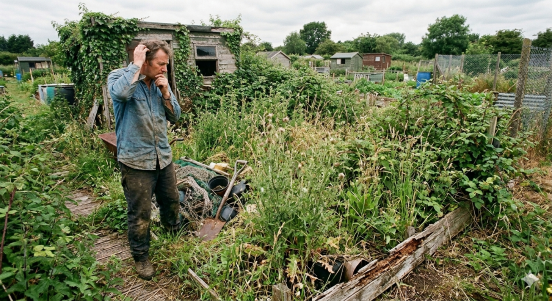
Taking on an overgrown allotment for the first time can feel overwhelming. Brambles, persistent weeds, and sometimes, years of neglect often hide the true potential of a plot. However, with a structured approach, the right techniques, and support from your allotment community, even the most challenging plot can be transformed into a productive and rewarding growing space.
Where to start: plan before you dig
The most important first step is to pause and plan. Rather than jumping straight into clearing, spend time understanding your plot.
Walk the site and look for: - Dense bramble or woody growth
- Types of weeds (annual vs perennial)
- Hidden debris, hazards, or old structures
- Boundaries, access routes, and natural pathways
Divide the allotment into manageable sections. Tackling one area at a time makes the workload realistic and allows you to see progress early, which helps maintain motivation.
Create a simple layout plan that includes:
- Four main growing beds (to allow crop rotation)
- Clearly defined paths (at least 500mm wide)
- Space for composting
Areas for permanent planting (e.g. fruit, asparagus)
This planning stage ensures your effort is focused and prevents having to redo work later.
Understanding and tackling weeds
Identifying what you are dealing with is key to effective control.
Annual weeds - Shallow-rooted and easier to remove
- Can be suppressed quickly with mulching
Perennial weeds - Regrow from roots and require persistence
- Common examples include bindweed, couch grass, ground elder, and horsetail
Top tip: Removing as much root material as possible early on will reduce future problems significantly.
Clearing methods that work
There is no single method for clearing an allotment, but combining the following approaches is highly effective:
1. Cut back first Start by cutting all vegetation down to ground level using hand tools or a strimmer. This exposes the soil and makes further work easier.
2. Mulch to suppress weeds Mulching is one of the most reliable and beginner-friendly methods. - Use cardboard topped with compost or organic matter
- Apply a thick layer to block light and suppress growth
- Suitable for both beds and paths
Important: Organic mulches improve soil health while controlling weeds, making them a sustainable long-term solution.
3. Digging (targeted) - Focus digging on future growing beds only
- Carefully remove roots of persistent perennial weeds
- Double digging can improve drainage and soil structure if needed
4. Build soil health early
Adding compost or well-rotted manure: - Improves soil structure
- Supports beneficial organisms
- Makes future maintenance easier
Designing productive beds and paths
A well-organised plot is easier to manage. - Keep beds narrow enough to reach the centre without stepping on them
Maintain permanent paths to avoid compacting soil
- Avoid unnecessary borders—open beds allow better moisture movement
- Add organic mulch to paths to suppress weeds and support soil life
Healthy, undisturbed soil reduces weed growth over time and improves crop success.
Top tips for beginners
Start small: Work one section at a time rather than the whole plot Little and often: Regular short visits are more effective than occasional long sessions Keep soil covered: Use crops, green manure, or mulch to prevent weeds returning Remove weeds early: Prevent them from establishing or going to seed
Observe your plot: Learn how soil, light, and moisture vary across the space
Preparing for planting
Once an area is cleared: - Remove remaining debris and roots
- Add compost or organic matter
- Rake to create a fine surface
- Sow directly or plant into prepared beds
If you are not ready to plant straight away, sow green manure to protect and improve the soil.
Ongoing maintenance: the key to success
Reviving an allotment is not a one-off task, it is the start of a long-term process. - Carry out regular weeding and checks
- Keep paths clear and defined
- Reapply mulch as needed
- Maintain soil fertility with annual organic matter additions
- A steady approach ensures your plot remains manageable and productive season after season.
Reaching out for support
You are not expected to manage everything alone. If you are unsure where to start or feel overwhelmed, speak to your site coordinators.
They can: - Provide guidance on clearing and managing your plot
- Advise on site rules and best practices
- Help identify problem weeds or hazards
- Connect you with other plot holders for support
- Many allotment communities are friendly and collaborative, don’t hesitate to ask for help or advice.
An overgrown allotment may look daunting at first, but it also offers a unique opportunity, a blank canvas to design and grow exactly what you want. With planning, consistent effort, and the right support, your plot can quickly become a productive, enjoyable space that rewards you throughout the year.
|
|
|
|
|
|
|
Let nature do the work: Clever organic pest solutions
Managing pests doesn’t have to mean reaching for chemicals. By working with natural processes and simple techniques, allotment tenant's can protect crops while supporting a healthy garden ecosystem. Below is a practical guide to common pests and straightforward, organic ways to manage them.
Work with nature: predators and balance
Encouraging natural predators is one of the most effective forms of pest control. Ladybirds, lacewings and hoverflies feed on aphids, while frogs, hedgehogs and ground beetles help control slugs. Birds, bats and earwigs also play a role in keeping pest numbers in check.
Planting nectar-rich flowers such as fennel, coriander and cow parsley will attract beneficial insects. Leaving some areas undisturbed can also provide habitat for these natural allies.
Aphids (Greenfly & Blackfly)
What to look for: Clusters on young growth causing distortion and weakened plants.
Why it matters: Aphids can spread plant viruses.
Control methods: - Avoid excess nitrogen fertiliser, which encourages soft growth aphids prefer
- Encourage predators such as ladybirds and blue tits (hang fat in winter to attract them)
- Remove infestations by hand, prune affected tips, or wash off with a strong jet of water
Ants
What to look for: Nests in soil or pots; often found alongside aphids.
Why it matters: Ants protect aphids and spread them across plants.
Control methods: - Encourage predators like frogs and slow worms
- Use nematodes to encourage relocation
- Deter access with grease bands or water barriers around structures
Slugs and Snails (Alternatives to Pellets)
What to look for: Holes in leaves, eaten seedlings and slime trails.
Control methods: - Hand-pick regularly, especially at night or after rain
- Encourage predators (birds, hedgehogs, beetles)
- Use barriers such as grit, wool, or dry mulch
- Apply dry oats or bran to dehydrate slugs
- Use beer traps carefully (raised edges help avoid harming beneficial beetles)
Keeping Birds Off Crops
Pigeons and other birds can damage brassicas and fruit.
Control methods: - Use netting as a complete barrier (ensure no gaps)
- String lines or wires across beds to disrupt flight access
- Rotate deterrents—static scarecrows lose effectiveness over time
Other Common Pests
Cabbage Whitefly - Remove heavily infested leaves
- Attract parasitic wasps with flowering herbs
- Use insecticidal soap if needed
Carrot Fly - Avoid thinning in still weather (smell attracts flies)
- Use fleece or low barriers (flies are weak fliers)
- Companion plant with onions
Earwigs - Can damage flowers but also eat pests
- Trap in straw-filled pots and relocate if necessary
Everyday Organic Practices
Monitor regularly: Catch problems early Use traps: Sticky or pheromone traps help track pest levels Practice crop rotation: Reduces soil-borne issues Maintain healthy soil: Strong plants are more resistant Remove diseased material: Prevents spread of infection Encourage biodiversity: A balanced garden naturally limits outbreaks
Some pest damage is inevitable and often cosmetic. A thriving allotment supports a wide range of life, and maintaining that balance is key to long-term success. These methods offer practical, accessible alternatives, but no single solution works alone. Combining techniques (Integrated Pest Management) will give the best results.
These are suggested approaches and not an exhaustive list, adapt them to suit your allotment and growing conditions.
|
|
|
|
Seedling swaps and events on allotment sites
Windsor Avenue are hosting a Windsor tenant only seedling swap on their site. If you are interested in holding a similar event, please contact your site coordinator, or allotments@worcester.gov.uk
|
|
|
|
National Allotments Week - The National Allotment Society
This year’s National Allotments Week theme, Grow to Learn, reminds us that every season brings new opportunities to build our knowledge and skills. Whether you're learning how to manage pests, improve soil health, support pollinators, or perfect succession sowing, the allotment remains one of the best outdoor classrooms.
National Allotments Week is an annual initiative that raises awareness of allotments and the role they play in helping people live healthier lifestyles, grow their own food, develop friendships, and bolster communities. Our annual awareness week will run from 10th-16th August 2026, and we have chosen the theme “Grow to Learn.”
If you are interested in learning more, you can register to become a member to download the free promotional kits, banners and posters.
For more information please see link below.
|
|
|
|
|
Reporting issues on allotments sites
Please use the Council's online reporting system to report any issues on an allotment site that relate to the following:
Track repairs Fence damage Plot issues Water or standpipe Order maintenance requirements Asbestos Vandalism Theft Boundary issues Pesticide Health and safety issue Other
Before reporting any allotment issues, please check that the allotment is Worcester City Council's responsibility.
|
|
|
|
Reporting incidents on allotments sites
If you need to report an incident onsite, please complete an allotment incident reporting form.
Incidents to be reported include: - Personal injury
- Property or equipment damage
- Vehicle Incident
- Exposure to hazardous substances
- Physical/Verbal abuse
- Near Hit/Cause for concern
|
|
|
|
|
|
|
Competition entries for this year's Worcester Show are now OPEN.
This year's Show takes place on Sunday, 9 August between 10am and 5pm.
There are 14 sections and over 170 classes, ranging from flowers and floral decorations to handicrafts and photography,
There is something for everyone, including children and teenagers. No need to be an expert. Everyone is welcome to join the fun! |
|
We are currently planning our presence at the upcoming Worcester Show and are inviting expressions of interest from tenants who may wish to get involved.
We are looking for volunteers to: • Join a small working group to help design a display board showcasing our allotments • Attend on the day to help staff and support the stand
This is a great opportunity for tenants to get involved and promote allotments, and their site.
Please note that volunteers who attend on the day will receive free entry to the event.
If you are interested, please email allotments@worcester.gov.uk to express your interest.
|
|
|
|
|
Find out more about what’s going on in the community, stay informed with local events, and find out more information.
|
|
|
|
|
If you would like to stay informed, please see our all-tenant update, this is available shortly following our quarterly allotment site coordinator meetings.
|
|
|