|
|
|
|
Worcester City Council allotments newsletter |
|
|
Hello allotment growers,
Welcome to the third edition of our Allotment Newsletter!
Whether you’re a long-standing tenant or a brand new gardener just getting your hands into the soil, we’re delighted to bring you regular updates, tips, and stories from across our allotment community.
Each edition will include seasonal advice, news from our sites, upcoming events, and practical guidance to help you make the most of your plot.
Thank you for your emails, comments, and suggestions for this latest edition. I can't include every suggestion but will keep the information for a future edition of the newsletter. We encourage you to keep sharing your achievements, celebrating your successes, big and small; as well as your experiences, questions, and ideas.
Our allotments are more than just places to grow food; they are thriving green spaces where community spirit, wellbeing, and sustainability all take root. We hope this newsletter becomes a valuable and enjoyable companion throughout the growing year.
Here’s to a productive season ahead!
|
|
|
|
Top tips for your allotment in May |
|
|
🌼 May on the allotment – get growing sustainably
May is one of the busiest and most rewarding months on the allotment. With longer days, rising temperatures, and increased wildlife activity, growth accelerates rapidly. - Temperatures: Generally warmer, but nights can still be chilly and late frosts remain a risk
- Wildlife: Pollinators (bees and butterflies) become more active; pests such as slugs also emerge
- Focus: A balance of sowing, planting, maintaining, and early harvesting
- Key reminder: Don’t rush—only plant out tender crops once frost risk has passed
✅ Top tasks for May - Begin sowing and planting outdoors in earnest, taking advantage of warmer days Harden off indoor-grown plants before transplanting outside
- Move seedlings outdoors during the day to acclimatise
- Protect against late frosts using fleece or cloches when needed
- Watch for slug damage, especially on young, tender plants
- Earth up potatoes to protect tubers from light and improve yields
- Use cloches on strawberries overnight for earlier crops (remove during the day) Weed regularly and keep beds tidy
- Ensure consistent watering, particularly for young plants
- Net fruit bushes to prevent bird damage
🌱 Top tips for the month
Sowing & growing (outdoors and under Cover)
Sow outdoors (weather permitting): - Lettuce, radish, spinach, beetroot, carrots, parsnips
- Sow little and often for continuous harvests
Sow under cover or in a greenhouse: - Courgettes, pumpkins, squash, cucumbers, sweetcorn
- Dwarf and climbing beans, runner beans
Sow brassicas for later planting: - Cabbage, kale, purple sprouting broccoli
In cooler areas: delay sowing tender crops until conditions improve
Planting out:
Towards the end of May (after frost risk): - Courgettes, celery, celeriac, maincrop potatoes
Crop care - Earth up early potatoes
- Install supports for peas and climbing beans
- Thin seedlings (e.g., carrots) for healthy growth
- Start harvesting asparagus
🪴 Indoor sowing & moving plants outdoors
Gradually introduce indoor plants to outdoor conditions: - Place outside in the day, bring in at night initially
- Reduce watering slightly before transplanting to toughen growth
- Check for pests and ensure plants are sturdy before planting out
🌿 Soil preparation & general maintenance - Hoe and rake beds regularly to maintain soil structure
- Apply mulch to retain moisture and suppress weeds
- Prepare new beds for future crops
- Continue consistent weeding—little and often works best
🍓 Fruit tasks - Support fruit plants (ties, stakes, frames)
- Net soft fruit bushes to deter birds
- Feed fruit crops to encourage strong yields
- Water regularly, especially strawberries and newly planted fruit
🌸 Flower tasks – keep your plot blooming - Sow hardy annuals directly outdoors
- Plant pollinator-friendly flowers to support biodiversity
- Maintain borders by deadheading and watering
- Mix flowers among crops for companion planting benefits
🐞 Pest control – sustainable & biodiverse - Encourage natural predators (ladybirds, birds, frogs)
- Use physical barriers (nets, cloches, collars) instead of chemicals
- Hand-pick slugs and snails where possible
- Grow companion plants (e.g., marigolds) to deter pests
- Maintain healthy soil and plant diversity for resilience
🥕 What to harvest in May - Lettuce
- Spring onions
- Broccoli
- Cabbage
- Beetroot
- Peas
- Asparagus
- Rhubarb
- Early radishes
- Overwintered spinach and chard
🔧 Essential jobs this month - Stay on top of watering, weeding, and protection from frost
- Monitor plant health and growth regularly
- Keep plots tidy and organised
- Prepare for a busy summer growing season
🌼 Thinking about what to grow before planting, consider:
✔️ Do I actually eat it? ✔️ Can I grow it successfully in my space? ✔️ Is it worth growing (cost vs. shop price)? ✔️ Does it require extra care (netting, feeding, space)?
Wishing all tenants a productive, sustainable and enjoyable growing season. Happy growing! 🌱
|
|
|
|
|
Balancing nature & control: chemical use on allotments |
|
|
🌿 Why This matters on our allotments
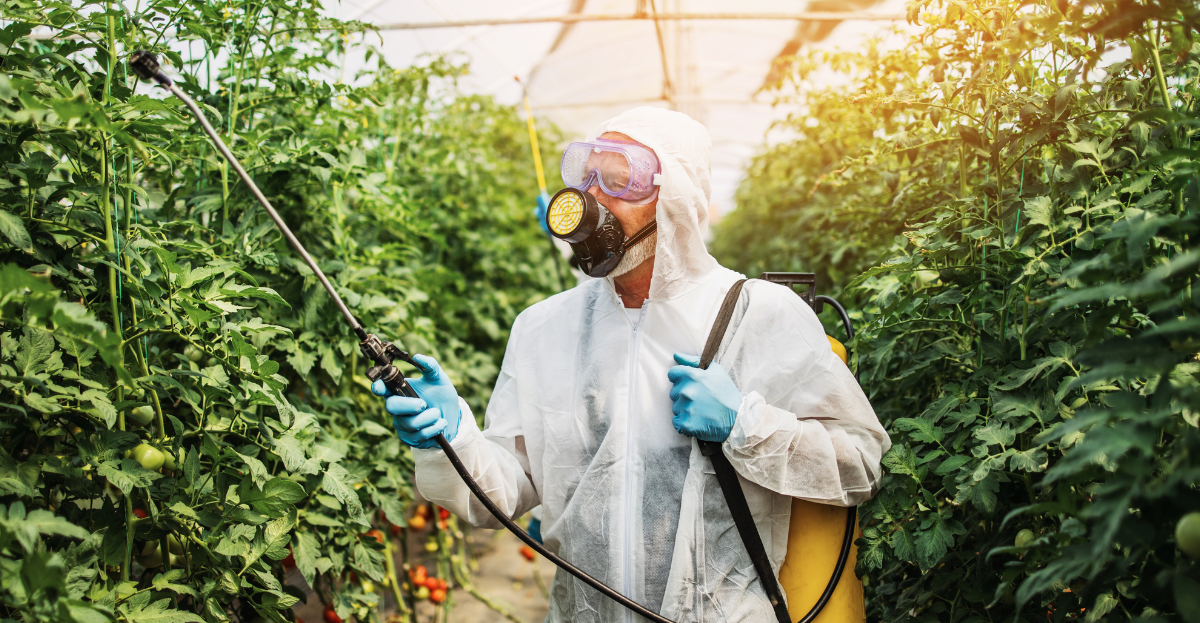
Allotment gardeners typically use far less pesticide than commercial farms, but even small amounts can have a big impact.
Different products affect different forms of wildlife: - Insecticides can harm bees and beneficial insects that control pests
- Herbicides may affect insects like lacewings
- Fungicides can damage soil organisms such as earthworms
These species are essential to our plots. They pollinate crops, improve soil structure, and help keep pest problems naturally under control.
🌸 Supporting nature on your plot
🌱 Pollinators are essential. Many of our crops depend on bees and other insects. Fewer pollinators means smaller harvests, especially for fruiting plants.
🌱 Healthy soil is alive. Earthworms and soil organisms break down organic matter and maintain fertility. Damaging them can impact your plot for years to come.
🌱 Nature helps control pests
Ladybirds, hoverflies and other beneficial insects feed on aphids and common pests, but only if we protect them.
🌱 Prevention is better than cure. Simple methods like crop rotation, good spacing, netting, and companion planting can prevent many problems without chemicals.
📋 Important guidance for all allotment tenants
To protect everyone’s plots and shared environment, tenants are asked to follow these important rules: - Keep pesticide and herbicide use to a minimum wherever possible
- Ensure wildlife in nearby plots, hedges, and verges is not affected
- Only use products that are approved and manufactured for their specific purpose
- Do not use pesticides or weedkillers on shared paths
- Never allow spray or drift to affect neighbouring plots
- Avoid peat-based compost to help protect natural habitats
🌼 What you can do
Small actions can make a big difference: - Plant flowers, herbs, and pollinator-friendly borders
- Use compost and mulch instead of chemical fertilisers
- Encourage natural predators by planting companion plants
- Rotate crops and grow a variety of plants
- Add habitats such as log piles or undisturbed corners
- Use netting and barriers instead of sprays
- Keep notes on what works and build on natural successes
🌍 A positive approach
Allotments are in a great position to lead by example. By working with nature, we can:
Protect pollinators and wildlife Improve soil health Grow stronger, more resilient crops Support sustainable food growing in our community
Every plot counts. Even small changes help keep our allotments healthy, productive, and enjoyable for everyone.
|
|
|
|
|
|
|
When is a weed a weed?
On allotments, the line between a “weed” and a welcome plant is often blurrier than you might think. In reality, a weed isn’t a specific type of plant at all, it’s simply any plant growing where it’s not wanted. That means the same plant could be prized in one corner of a plot and pulled out in another.
Many so-called weeds are actually wildflowers. The difference lies entirely in how we perceive and manage them. Wildflowers are typically valued for their beauty, resilience, and ecological benefits, while weeds earn their reputation by spreading aggressively, competing with crops, or causing a nuisance.
More than just unwanted plants
Before reaching for the hoe, it’s worth remembering that many common “weeds” have real value: - Support for pollinators: Dandelions, clover and other self-seeded plants provide vital early nectar for bees and butterflies.
- Soil improvement: Deep-rooted species can help break up compacted soil and draw nutrients up to the surface.
- Wildlife habitat: Leaving small patches undisturbed can support insects and birds, boosting biodiversity across the site. With growing awareness of pollinator decline, these plants can play an important role in a healthy allotment ecosystem.
Weed or wildflower? A quick guide
If you’re unsure whether to keep or remove a plant, consider:
Location: If it’s encroaching on crops or paths, it’s likely a weed in that context. In a quiet corner, it may be best left alone. Behaviour: Fast-spreading plants that dominate an area quickly can outcompete your vegetables. Origin: Non-native invasive species should always be removed and disposed of responsibly, while native plants are generally less problematic.
Wildflowers worth welcoming
Some plants strike a useful balance, bringing colour and wildlife benefits without overwhelming your plot: - Borage: A magnet for bees, flowering over a long period.
- Cosmos: Easy to grow and great for attracting hoverflies and lacewings, which help control aphids.
- Yarrow: Excellent for beneficial insects and adds structure to borders.
- Cornflower and Ox-eye Daisy: Classic, cheerful additions that draw in pollinators.
- Red Clover: Improves soil by fixing nitrogen while feeding long-tongued bees.
- Foxglove and Field Scabious: Ideal for less productive or shaded areas, providing vital nectar.
Wildflowers to avoid or manage closely
Some species are best managed carefully—or avoided altogether: - Himalayan balsam: Highly invasive and damaging.
- Japanese knotweed: Caused significant damage and legally restricted in some areas.
- Bindweed: Rapidly spreads, and chokes out crops.
- Creeping thistle and dock: Deep-rooted and persistent, difficult to control in cultivated beds.
- Giant hogweed: Hazardous to handle and must be reported.
- Yellow rattle: Useful in grass control, but can kill desirable wildflowers in a meadow area.
Finding the balance
A well-managed allotment doesn’t have to be weed-free to be productive. In fact, creating a balance can bring real benefits: - Set aside a wildflower strip or corner to support wildlife.
- Use native seed mixes suited to local conditions.
- Deadhead regularly to prevent unwanted spread.
- Consider plug plants or containers for more controlled planting.
- Autumn is generally the best time to establish new wildflower areas.
By rethinking what we call a “weed,” we can make our plots not only productive, but also vibrant, resilient spaces that support both people and nature.
|
|
|
|
The no-dig revolution: A beginner’s guide
We are seeing more tenants opt for the no-dig method, but what is this? Simply put, it is a gardening technique that avoids digging or turning the soil. Instead of burying organic matter, you spread it on top, allowing nature to do the work for you.
Why Go no-dig? - Less effort: Eliminates back-breaking digging and heavy cultivation.
- Fewer weeds: Leaving soil undisturbed prevents buried weed seeds from rising to the surface and germinating.
- Better soil health: Protects the vital network of fungi, worms, and microbes that help plants absorb nutrients and water.
- Climate friendly: Helps the soil retain carbon and moisture.
How to get started: - Clear & cover: Cut weeds to ground level. Cover the area with plain, overlapping brown cardboard to smother them.
- Layer up: Add 10–15cm of well-rotted compost or manure directly on top of the cardboard.
- Plant: You can plant seedlings or sow seeds into the compost layer immediately.
- Mulch annually: Every year, add a fresh 5cm layer of compost to the surface. This suppresses new weeds and feeds the soil.
Top Tip
Never tread on your soil. By staying off the beds, you prevent the soil from compacting, keeping it airy and healthy without ever needing a spade.
|
|
|
|
|
|
Reporting issues on allotments sites
Please use the Council's online reporting system to report any issues on an allotment site that relate to the following:
Track repairs Fence damage Plot issues Water or standpipe Order maintenance requirements Asbestos Vandalism Theft Boundary issues Pesticide Health and safety issue Other
Before reporting any allotment issues, please check that the allotment is Worcester City Council's responsibility.
|
|
|
|
Reporting incidents on allotments sites
If you need to report an incident onsite, please complete an allotment incident reporting form.
Incidents to be reported include: - Personal injury
- Property or equipment damage
- Vehicle Incident
- Exposure to hazardous substances
- Physical/Verbal abuse
- Near Hit/Cause for concern
|
|
|
|
|
We have the following planned events happening:
Fruit tree care and grafting session
Presentation will be delivered by Wade Muggleton – Author, college lecturer and countryside officer, as well as being interested in permaculture for over 30 years.
Date: Wednesday 24th June Tickets will be available soon, and updates will soon be shared.
|
|
|
|
|
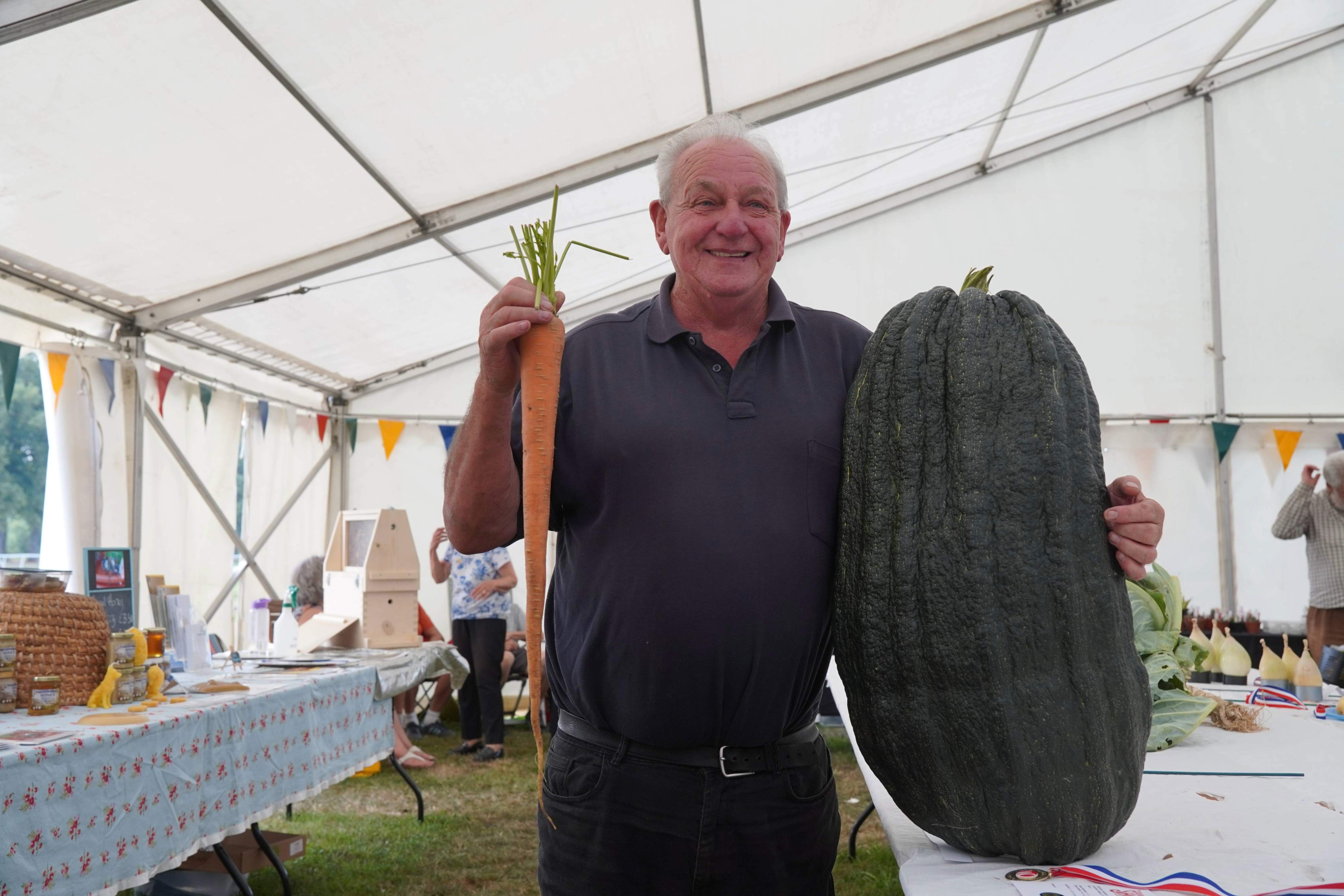
Competition entries for this year's Worcester Show are now OPEN.
This year's Show takes place on Sunday, 9 August between 10am and 5pm.
There are 14 sections and over 170 classes, ranging from flowers and floral decorations to handicrafts and photography,
There is something for everyone, including children and teenagers. No need to be an expert. Everyone is welcome to join the fun! |
|
|
|
Allotments and wellbeing
Find out more about what’s going on in the community, stay informed with local events, and find out more information.
|
|
|
|
All tenant updates
If you would like to stay informed, please see our all-tenant update, this is available shortly following our quarterly allotment site coordinator meetings.
|
|
|