|
|
| | Worcester City Council allotments newsletter |
|
|
Hello Allotment Growers,
Welcome to the August edition of our Allotment Newsletter!
Summer is in full swing, and many of you will now be enjoying the rewards of your hard work, with plots bursting into life and harvest baskets filling up with fresh fruit, vegetables, and flowers. This is one of the most rewarding times of the allotment year, and it's wonderful to see our sites thriving.
Thank you to everyone who has taken the time to send emails, photographs, comments, and suggestions for this edition. While it's not always possible to include every contribution, all ideas are noted and may feature in future newsletters. We really value your feedback and encourage you to continue sharing your achievements, seasonal highlights, gardening tips, questions, and experiences with us.
As we move through August, there is still plenty to do on the plot. Alongside harvesting summer crops, many allotment tenants will be preparing for autumn and winter planting, saving seeds, and thinking ahead to next year's growing season. Whatever stage you're at in your allotment journey, we hope you'll find something useful and inspiring in this newsletter.
Our allotments are much more than places to grow food. They are vibrant green spaces that support wellbeing, encourage biodiversity, and bring people together through a shared passion for gardening and the outdoors. The sense of community across our sites continues to be one of their greatest strengths.
We hope you enjoy this month's edition and wish you a successful and productive late summer on your plot.
Happy growing, and enjoy the harvest!
|
|
|
| Top tips for your allotment in August |
|
|
🌻 August on the allotment - Harvest, prepare & plan ahead 🍅
🌤️ What to expect in August
August is a month of abundance and transition on the allotment. Harvests are at their peak, with runner beans, tomatoes, courgettes, potatoes, onions and soft fruits needing regular picking. At the same time, the first signs of autumn begin to appear, with cooler nights, shorter days and some crops reaching the end of their productive life.
As beds start to empty, this is the perfect opportunity to improve soil, sow quick-growing autumn crops and prepare for the seasons ahead. Balancing harvesting, preserving, sowing and general maintenance will help keep your plot productive well into autumn and winter.
✅ Top tasks for August
🌱 General plot maintenance - Hoe regularly to keep weeds under control while conditions remain warm.
- Water deeply during dry spells, focusing on thirsty crops such as beans, squash, courgettes, celery and pumpkins.
- Water early morning or late evening to reduce evaporation.
- Watch for signs of mildew, rot and blight as cooler, damper nights return.
- Clear spent crops and compost healthy plant material.
- Lightly fork over vacant beds and apply compost or mulch.
- Ventilate greenhouses and polytunnels daily to reduce humidity and fungal diseases.
- Review water storage and usage, particularly during prolonged dry weather.
🥕 Growing & sowing in August
The key to productive autumn and winter harvesting is to keep sowing throughout late summer.
Sow now for later harvests: - Radish
- Rocket
- Spring onions
- Winter lettuce
- Spinach
- Spinach beet
- Kale
- Mustard greens
- Lamb's lettuce
Start or sow: - Spring cabbage (mid-August)
- Calabrese (mid-August)
- Red chicory (mid-August)
- Chinese cabbage (mid-August)
- Endive (late August)
Soil improvement
Sow green manures on empty beds to protect soil, suppress weeds and improve fertility over winter.
🥔Vegetable tasks
August is all about harvesting, maintaining crops and preparing for the next season. - Harvest onions and shallots once tops have flopped over and allow them to dry before storing.
- Lift second early potatoes and begin harvesting maincrop varieties as foliage dies back.
- Harvest beetroot, turnips and kohlrabi while young and tender.
- Earth up or support leeks to encourage longer white stems.
- Water celery generously to prevent tough, stringy growth.
- Feed asparagus beds to help plants store energy for next year's crop.
- Pinch out runner bean tips once they reach the top of supports.
- Inspect brassicas regularly for caterpillars and cabbage white butterfly eggs.
- Plant out final brassicas, ensuring young plants are firmly supported.
🍓 Fruit tasks
August is one of the busiest fruit-harvesting months of the year. - Continue picking raspberries, blackberries, plums and early apples.
- Prune summer-fruiting raspberries by cutting old fruited canes to ground level.
- Tie in strong new raspberry canes for next year's crop.
- Summer-prune trained apples and pears to improve airflow and fruit production.
- Prune blackcurrants after harvest to encourage vigorous young growth.
- Shorten side shoots on red and white currants.
- Remove old straw from strawberry beds and tidy plants after fruiting.
- Support heavy melon fruits with netting or slings where required.
🍅 Greenhouse & polytunnel jobs
Conditions under cover can become challenging during August. - Open vents and doors early each day to improve ventilation.
- Water consistently to prevent crop stress.
- Feed tomatoes, peppers and cucumbers weekly.
- Remove lower tomato leaves to improve airflow.
- Pinch out side shoots on cordon tomatoes.
- Continue tying in and training tomatoes, cucumbers and melons.
- Harvest regularly to encourage continued cropping.
- Watch for signs of blossom end rot caused by irregular watering.
🐛 Pest & disease watch
Summer warmth and late-season humidity can increase pest and disease problems.
Keep an eye out for: - Cabbage white caterpillars on brassicas.
- Flea beetle damage on brassicas, rocket and chard.
- Aphids on beans, brassicas and greenhouse crops.
- Red spider mite in greenhouses and polytunnels.
- Leek rust on allium crops.
Slugs and snails following rain showers.
- Blight on tomatoes and potatoes.
- Powdery mildew on squashes and courgettes.
Regular inspections can prevent small issues becoming major problems.
🌼 Flower & wildlife areas
Keep ornamental areas productive and attractive throughout late summer. - Deadhead dahlias, cosmos, marigolds and sweet peas regularly.
- Water flowering plants deeply during dry periods.
- Stake tall plants including sunflowers, gladioli and chrysanthemums.
- Sow winter bedding plants such as wallflowers, pansies, violas and primulas.
- Leave some flowering herbs and annuals for pollinators and beneficial insects.
🥕 What to harvest in August
This month offers some of the biggest harvests of the year:
✅ Runner and French beans ✅ Tomatoes and peppers ✅ Courgettes and cucumbers ✅ Beetroot, turnips and kohlrabi ✅ Onions and shallots ✅ Second early and maincrop potatoes ✅ Lettuce, rocket and mixed salad leaves ✅ Celery and chard ✅ Raspberries and blackberries ✅ Plums and early apples
📅 What to plan for
As beds become vacant, begin preparing for autumn and winter: - Add compost or well-rotted manure to cleared beds.
- Sow green manures where plots will remain unused.
- Plan overwintering crops and spring planting areas.
- Prepare storage space for onions, potatoes and preserved produce.
- Consider water collection and soil improvement projects for the wetter months ahead.
- Start ordering garlic, onion sets and spring-flowering bulbs.
⭐ Important August tips - Harvest little and often to keep crops producing.
- Water deeply rather than lightly and frequently.
- Preserve surplus harvests by freezing, drying, pickling or making jams and chutneys.
- Remove diseased foliage promptly to reduce spread.
- Keep greenhouse ventilation high to prevent fungal problems.
- Make the most of empty beds by sowing autumn crops or green manures.
- Take photos and notes now to help plan improvements for next year.
🌿 Final thoughts
August is one of the most rewarding months on the allotment. The plot is full of fresh produce, but it is also the ideal time to start preparing for autumn and winter. By harvesting regularly, caring for your soil, staying on top of watering and sowing succession crops, you'll enjoy the fruits of summer while setting your allotment up for continued success in the seasons ahead. 🌻🍅🥔
|
|
| | | Tree management on allotment sites |
|
|
We are pleased to feature an article by Warren Davies, Tree and Conservation Land Manager, who provides an informative overview of how trees are managed on Worcester's allotment sites. Drawing on professional expertise and the Council's tree management approach, Warren explains how tree risks are assessed, why many allotment sites fall within Zone 2 of the Council's risk zoning system, and how safety considerations are balanced with the significant environmental and community benefits that trees provide. The article also outlines what inspectors look for, how concerns are managed proportionately, and how allotment tenants can report tree-related issues.
Worcester City Council recognises that trees are an important part of allotment sites, providing shade, shelter, landscape character, wildlife habitat and wider environmental benefits. Trees are living organisms and naturally change over time, so it is neither possible nor desirable to remove all risk associated with them. The Council’s approach is therefore to manage trees in a reasonable, proportionate and practicable way, balancing public safety with the many benefits trees provide.
What zone 2 means for allotment sites
Under the Council’s tree risk zoning approach, many allotment sites will fall within Zone 2, described as occasionally used areas. This means that the site is used by members, tenants, volunteers or visitors, but not at the same intensity as busy streets, parks, playgrounds or other frequently occupied public spaces. Access is generally intermittent and linked to allotment activity, seasonal visits, maintenance, inspections or site management.
Zone 2 does not mean that trees are ignored or considered unimportant. It means that surveying and management are proportionate to the level of use and the likelihood of people or property being affected if a tree or branch were to fail. The typical inspection cycle for Zone 2 areas is approximately 18 months to 3 years, although this may be adjusted where site-specific factors, tree condition, access arrangements or known defects justify a different approach.
How Trees Are Risk Assessed
Tree risk assessment on allotment sites considers both the condition of the tree and the nature of the surrounding targets. A target may include people using paths, plots, sheds, boundary routes, car parking areas, neighbouring land, highways or structures. The assessment considers the likelihood of tree or branch failure and the likely consequences if failure were to occur. The Council uses a tiered approach to inspection. Informal or local checks may be made by trained staff during routine duties, formal visual surveys are carried out by competent persons, and detailed or specialist inspections may be commissioned where a significant defect is suspected. This reflects national guidance that tree inspection should be reasonable, proportionate and targeted.
What We Look For
Inspections focus on obvious defects that would be apparent to a person with a working knowledge of trees. The presence of a defect does not automatically mean that a tree is dangerous; most trees contain some defects, and many can be retained safely with monitoring or proportionate management. - Dead, broken or hanging branches, particularly over paths, plots, sheds or access routes.
- Signs of decay, cavities, fungal fruiting bodies or significant structural weakness.
- Cracks, splits, weak unions or co-dominant stems that may affect stability.
- Movement at the base of the tree, root plate disturbance or severed roots.
- Evidence of disease, decline, dieback or reduced vitality.
- Damage caused by storms, vehicles, vandalism, soil compaction or unauthorised works.
- Obstructions affecting safe access, such as low branches over main routes.
Managing Risk Proportionately
Where action is needed, the Council will consider the most appropriate and proportionate response. This may include continued monitoring, pruning, removal of specific defective branches, temporary restriction of access, or, where there is no reasonable alternative, tree removal. Removal is treated as a last resort and is normally considered only where a tree is dead, dying, structurally unsound, unsafe or causing confirmed and unavoidable damage. For allotment sites, this means trees are managed with both safety and site character in mind. The Council will not normally undertake works simply because a tree is large, drops leaves or fruit, casts shade, moves in the wind, or is perceived to be dangerous without supporting evidence. Works must be reasonable, necessary and justified by risk, sustainability or sound arboriculture management.
Reporting Tree Defects
If allotment tenants, visitors or site coordinators observe a defect or concern with a tree, such as a fallen limb, hanging branch, visible decay, movement at the base, storm damage or a tree that appears dangerous, they should report it to Worcester City Council using the online tree reporting form. Please select link below.
Reports should include the site name, an accurate location (What three words), a description of the concern and photographs where possible.
For emergency tree issues outside normal working hours, where there is an immediate risk to people, property or access, contact Worcester City Council’s out-of-hours emergency number on 01527 910696.
|
|
| | | |
|
Thinking of starting your allotment journey? What's really involved and where do you begin?
Starting an allotment journey is an exciting step, but it can easily feel like a lot of work at first. Looking at a new plot, especially one that is overgrown, can seem overwhelming. The good news is that successful allotmenteers rarely tackle everything at once. The secret is to start small, make a plan, and focus on steady progress. Little and often is far better than leaving a plot for long periods and then trying to do everything in a single visit. Regular attention, even for just a short time each week, helps keep weeds under control and makes the whole experience much more enjoyable.
Begin by taking on a manageable section, clear out weeds step-by-step, and focus on planting a few quick-turnaround crops you love eating rather than trying to cultivate the whole plot at once. Early successes help build confidence and keep motivation high.
Essential First Steps
Assess and Clean
Before you start digging, take time to understand your plot. Check your site rules, take photographs of the plot's starting condition, and sketch out where paths, growing beds, compost areas, and any future structures might go. Understanding sunlight, shade, wind exposure, and drainage will help you make better decisions from the outset.
Tackle Weeds Gradually
Don't try to clear the entire plot in one weekend. Focus on one small area at a time to avoid exhaustion and frustration. Cover uncultivated sections with cardboard, black plastic, or a thick mulch to suppress weed growth while you work elsewhere. Digging out perennial weed roots early will save time later.
Plant Something Early
Even while you're still clearing the plot, plant a simple, fast-growing crop. Seeing fresh crops growing and harvesting your first produce provides a valuable sense of achievement and keeps enthusiasm high.
1. Start Small
The average allotment plot is around 250 square metres, which can feel daunting for beginners. If possible, consider a half or quarter plot while you gain experience.
Before committing, it is worth checking: - Availability of water supplies.
- Storage facilities, sheds and composting areas.
- Site rules and restrictions on structures such as sheds, greenhouses or polytunnels.
- Any restrictions on planting fruit trees.
- Waiting list options, a well-maintained plot can be easier to manage, but you may wait longer.
Remember, a small well-tended area is far more productive than a large neglected one.
2. Plan Ahead
Taking time to plan your allotment will make future work much easier. Consider: - Sunlight and shade throughout the day.
- Access routes and paths.
- Space requirements for crops.
- Future crop rotation plans.
Good beginner-friendly crops include: - Potatoes - great for improving soil and easy to grow.
- Courgettes - reliable and highly productive.
- Runner Beans - quick growing and make good use of vertical space.
- Salad Leaves - fast cropping and suitable for succession sowing.
- Garlic and Onions - hardy and low maintenance.
3. Weed Regularly
One of the biggest challenges for new plot holders is staying on top of weeds.
A simple rule is: weed little and often.
Spending 10 to 20 minutes weeding during each visit prevents small problems from becoming major ones.
Key tasks include:
Removing rubbish and debris safely. Cutting back brambles, nettles and long grass. Digging out perennial weeds such as bindweed, couch grass and ground elder. Covering bare ground to prevent fresh weed growth.
Regular maintenance is much easier than reclaiming an overgrown plot months later.
4. Look After Your Soil - Healthy soil is the foundation of every successful allotment.
- Add compost, well-rotted manure or other organic matter.
- Check soil pH and nutrient levels if possible.
- Mulch around crops to retain moisture and suppress weeds.
- Consider whether a traditional digging or no-dig approach suits you.
- Plan crop rotations to maintain soil fertility and reduce pest and disease issues.
5. Talk to Fellow Growers
One of the greatest benefits of allotment gardening is the community spirit.
Experienced plot holders can: - Share growing advice.
- Recommend suitable crops.
- Exchange plants and seeds.
- Help identify pests, diseases and weeds.
- Offer practical local knowledge about your site.
Most allotmenteers are happy to help newcomers get started.
6. Grow What You Eat
When choosing what to plant, focus on crops you and your family genuinely enjoy eating. Benefits include: - Better motivation to maintain the plot.
- Less food waste.
- Improved understanding of crops you grow regularly.
- Fresh seasonal produce at its best.
- Savings on grocery bills.
- Opportunities to share surplus harvests with friends and neighbours.
- Growing your favourite foods makes the allotment far more rewarding.
7. Invest in Quality Tools
Good tools make gardening easier, safer and more enjoyable. Essential starter tools include: - Spade
- Fork
- Hoe
- Hand trowel
- Secateurs
- Watering can
Quality tools may cost more initially but usually last much longer and reduce strain during gardening tasks.
First, speak to your site coordinator, or bordering allotment tenants, they may know of some tools going spare, or on offer, always worth having a look and asking before spending.
8. Water Wisely
Efficient watering helps plants thrive while conserving resources. Top tips include: - Water early in the morning or later in the evening.
- Water deeply rather than little and often.
- Install water butts where permitted.
- Mulch soil to reduce evaporation.
- Collecting rainwater is both environmentally friendly and beneficial for plants.
9. Consider becoming a member of a society or association
You could find valuable support, for new and experienced allotmenteers. Some memberships include benefits such as: - Allotment liability insurance.
- Discounts on allotment association insurance.
- Access to legal advice.
- Discounted seed schemes.
- Allotment Gardener magazine.
- Horticultural support and guidance.
- Retail discounts on gardening products.
Every thriving allotment started as an empty plot and every experienced grower was once a beginner. Don't worry about perfection. Focus on one manageable area, visit regularly, and celebrate small achievements. By working little and often, you'll quickly transform your plot into a productive, enjoyable space that provides fresh produce, exercise, and a real sense of accomplishment.
If you are ready to apply for an allotment and begin your allotment journey, please take a look at our allotment webpage - link below.
We currently have spaces available now at Waterworks Road and Windsor Avenue. If you would like to apply, please see link.
|
|
| |
|
Every drop counts: Keeping your allotment productive through drought and dry weather.
Allotment gardeners, are at the mercy of the weather. In recent years we've experienced longer dry spells, hotter summers and increasingly unpredictable rainfall. While drought can be challenging, a few simple changes can help your plot remain productive and resilient, even when the rain stays away. Rather than battling against dry conditions, it's time to learn how to work with them.
🌧️ Capture every drop
Rainwater harvesting is one of the most effective ways to prepare for dry weather. If you have a shed or greenhouse, connect gutters to water butts and consider linking multiple containers together to increase storage capacity. The more water you can save during wet periods, the better prepared you'll be when restrictions or prolonged dry spells arrive.
🌱 Build a soil that holds water
Healthy soil acts like a sponge. Adding well-rotted manure, compost, leaf mould and other organic matter helps the soil retain moisture for longer and improves overall plant health. Where space allows, sow green manures on unused areas to protect and improve the soil. Healthy, organic-rich soil not only stores more water but also provides plants with a better environment to thrive during stressful conditions.
🪱 Look after your soil life
A healthy soil ecosystem is one of the best drought-defence systems available. Earthworms, beneficial fungi and microorganisms improve soil structure, helping water soak deeper into the ground rather than running off the surface. The result is a plot that stays moist for longer and plants that are better equipped to cope with periods of water stress.
🚜 Disturb less, retain more
No-dig gardening helps preserve soil structure and reduces moisture loss. By avoiding unnecessary digging, the natural network of soil organisms remains intact, helping create a more resilient growing environment. Less disturbance means less evaporation and healthier soil over time.
🌾 Mulch, mulch and mulch again!
If there is one drought-busting technique every allotment holder should adopt, it's mulching. Applying compost, grass clippings, straw or leaf mould around plants helps: - Reduce evaporation
- Suppress weeds
- Keep soil temperatures lower
- Improve soil quality as it breaks down
A good mulch layer can dramatically reduce the amount of watering required throughout the season.
🌤️ Create shade and shelter
Strong winds and intense sunshine quickly dry out soil and plants. Consider creating a microclimate on your plot by: - Using shade netting during heatwaves
- Growing taller crops alongside shorter ones
- Establishing windbreaks where possible
- Using fleece to help reduce moisture loss
- Small changes can make a surprisingly big difference.
🥕 Choose crops suited to dry conditions Some vegetables cope with heat and drought better than others. Squash, sweetcorn, many root crops and some brassicas are often more resilient during dry weather.
Take note of which crops have performed well this year and which have struggled. Reviewing your harvests can help plan future growing seasons and identify varieties better suited to a changing climate.
Don't be afraid to experiment with: - Different sowing dates
- Successive sowings
- Heritage varieties
- Growing plants on in larger pots before planting out
💧 Water smarter, not harder
When watering is necessary, make every drop count. Best Practice: ✅ Water early in the morning or late in the evening ✅ Water deeply and less frequently ✅ Direct water to plant roots rather than paths and open soil ❌ Avoid watering during the hottest part of the day
Deep watering encourages roots to grow further into the soil, making plants more self-sufficient and drought-resistant.
🌿 Consider plant boosters
Bio stimulants, including seaweed-based products, can help plants cope with environmental stresses such as drought and extreme temperatures. They do not replace fertilisers but can help plants make better use of available nutrients and improve overall resilience.
Looking ahead
With hotter summers and longer periods of dry weather becoming more common, now is the time to adapt our gardening habits. Consider what worked well on your plot this year and what could be improved next season.
A resilient allotment starts with planning, healthy soil and smarter use of water.
If there are topics you'd like to learn more about, please let the Allotments Team know. We can explore opportunities for talks, workshops and other events to help tenants prepare for future growing challenges.
Contact allotments@worcester.gov.uk
Drought doesn't have to spell disaster. By making a few simple changes today, you can help ensure your allotment continues to thrive whatever the weather brings. ☀️🌱
|
|
|
| |
|
Worcester Show Celebrates Community Spirit at Pitchcroft
Thousands of people gathered at Pitchcroft on Sunday for the Worcester Show, enjoying a day dedicated to celebrating the people, groups and organisations that make Worcester such a vibrant and welcoming city. The event began with a colourful community procession, setting the tone for a day centred on bringing people together, celebrating Worcester's diverse communities, and highlighting the value of local involvement, volunteering and community spirit across the city.
Throughout the day, visitors enjoyed a wide variety of entertainment and activities while connecting with local groups and discovering more about the many organisations that contribute to life in Worcester. The Show provided an important platform for community organisations, volunteers and residents to come together, share experiences and celebrate their achievements.
The Competition Marquee highlighted the skills, dedication and passion of local residents, with displays demonstrating the talent and commitment that can be found across Worcester's communities.
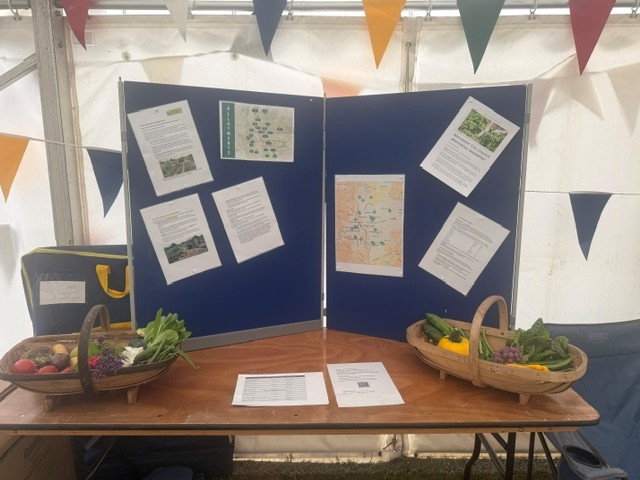
The allotment display was located in the Competition Marquee, where visitors had the opportunity to engage with allotment volunteers, ask questions and learn more about what to expect from having an allotment. The display provided an opportunity to share experiences, growing tips and advice, while showcasing some of the excellent produce grown by Worcester's allotment holders.
Allotments offer far more than the opportunity to grow your own fruit and vegetables. They provide valuable benefits for mental health and wellbeing, encourage physical activity, create opportunities to meet new people, and help foster a sense of community. Throughout the day, volunteers were able to share their stories and experiences, helping visitors gain a better understanding of the many rewards that allotment gardening can bring.
We would like to extend a sincere thank you to the volunteers who gave their time to support the display and engage with visitors throughout the day. Their enthusiasm and knowledge played an important role in promoting Worcester's allotment community. Special thanks also go to Richard Coopey for kindly providing a wonderful selection of produce for the display.
Looking ahead to next year's Worcester Show, we will be exploring ways to further improve the allotment display and potentially relocate it to a more prominent position, with the aim of attracting more visitors and encouraging greater engagement with Worcester's allotment community.
If you are interested in getting involved next year, or if you have any suggestions or ideas about how the allotment display could be developed, please get in touch with the Allotments Team at allotments@worcester.gov.uk. We are always keen to hear from existing tenants, volunteers and anyone interested in supporting and promoting allotment gardening in Worcester.
|
|
|
|
We have the rearranged the following event:
Fruit tree care and grafting session
Presentation will be delivered by Wade Muggleton – Author, college lecturer and countryside officer, as well as being interested in permaculture for over 30 years.
Date: To be confirmed. Tickets will be available soon, and updates will soon be shared.
Allotments and wellbeing
Find out more about what’s going on in the community, stay informed with local events, and find out more information.
|
|
|
|
All tenant updates
If you would like to stay informed, please see our all-tenant update, this is available shortly following our quarterly allotment site coordinator meetings.
|
|
| |
|
Reporting issues on allotments sites
Please use the Council's online reporting system to report any issues on an allotment site that relate to the following:
Track repairs Fence damage Plot issues Water or standpipe Order maintenance requirements Asbestos Vandalism Theft Boundary issues Pesticide Health and safety issue Other
Before reporting any allotment issues, please check that the allotment is Worcester City Council's responsibility.
|
|
|
|
Reporting incidents on allotments sites
If you need to report an incident onsite, please complete an allotment incident reporting form.
Incidents to be reported include: - Personal injury
- Property or equipment damage
- Vehicle Incident
- Exposure to hazardous substances
- Physical/Verbal abuse
- Near Hit/Cause for concern
|
|
|
|