|
|
|
Message from our Chief Executive, Angela Fitzgerald |
|
Welcome to this edition of HIQA News.
Firstly, I am delighted to warmly welcome the appointment of Professor Caitriona O’Driscoll and Loretto Callaghan to the HIQA Board. They bring extensive experience across healthcare, regulation, governance, academia and the life sciences, which will support our Board in its oversight of HIQA as our responsibilities continue to expand. I am looking forward to working with both Caitriona and Loretto and wish them every success in their new roles.
|
|
|
|
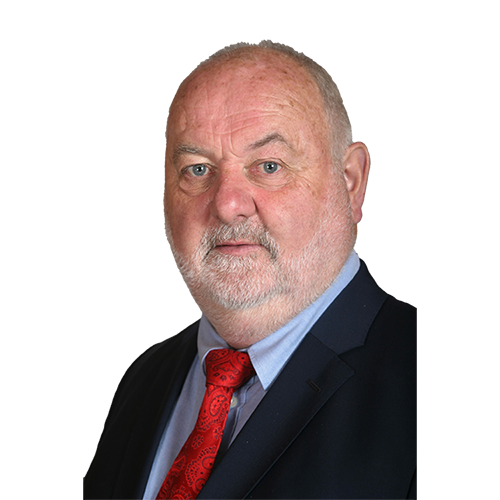
Welcome to HIQA's Board from Martin O'Halloran, Board Chair
I am delighted to welcome Caitriona O’Driscoll and Loretto Callaghan to the Board. Caitriona and Loretto bring valuable experience and expertise to their positions, and I know their insights and perspectives will make an important contribution to HIQA’s work.
Their appointments come at an important time for the organisation as we continue to develop our role and deliver on our responsibilities across health and social care. Strong governance and diverse perspectives at Board level are essential in helping HIQA meet both the opportunities and challenges ahead. I very much look forward to working with Caitriona and Loretto, alongside our existing Board members and colleagues across the organisation, as HIQA continues on its mission to safeguard people and improve the safety and quality of health and social care services in Ireland, especially as we continue to grow and take on new functions including those relating to home support, NIS-2 and CER.
|
|
|
Supporting the responsible and safe use of AI in health and social care
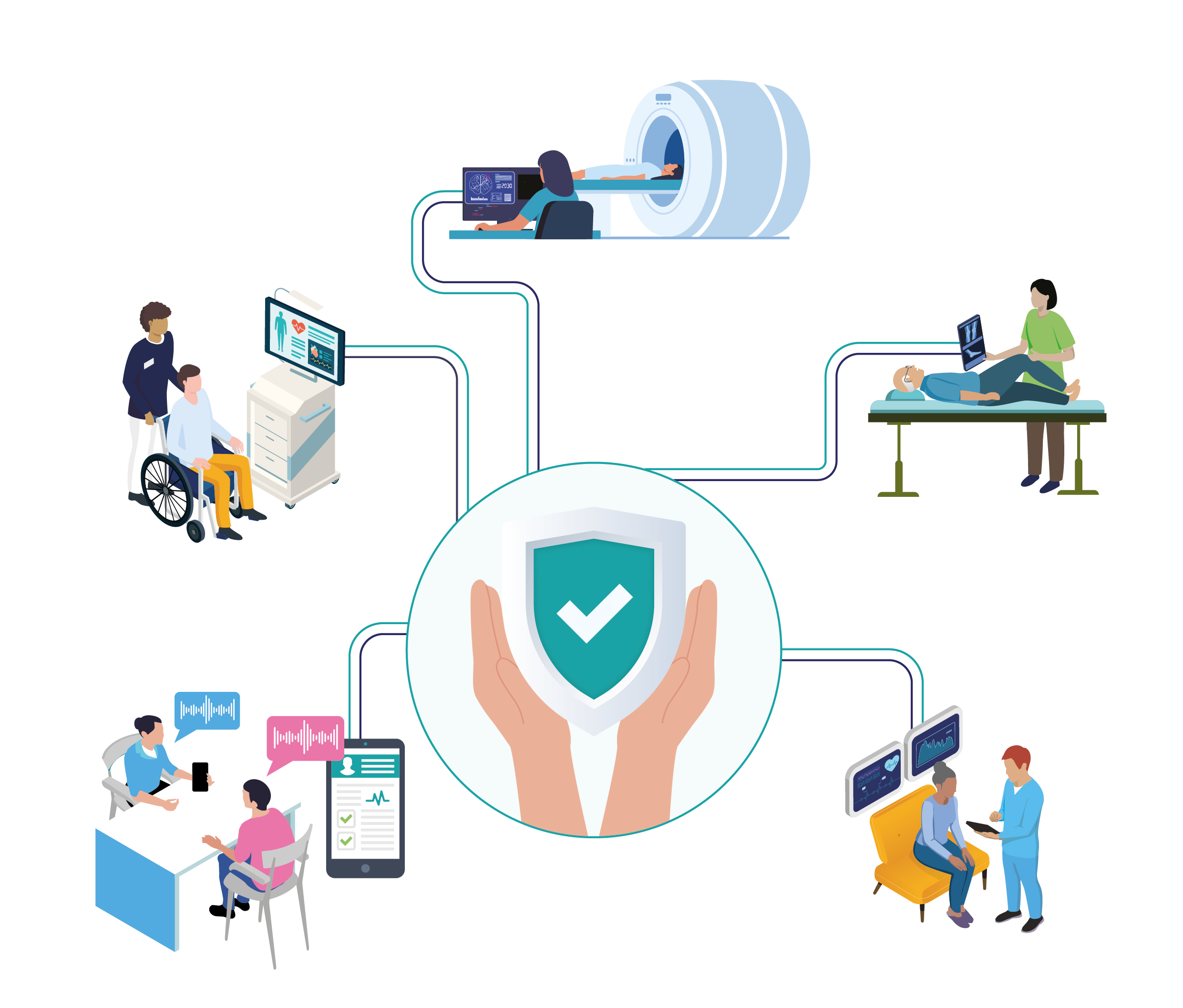
We have published Ireland’s first National Guidance for the Responsible and Safe Use of Artificial Intelligence (AI) in Health and Social Care Services.
The guidance aims to ensure that, wherever AI is used, people can expect services to remain safe, transparent, accountable and person centred. It also seeks to empower people to understand what they should expect when AI plays a role in their care. At its heart are HIQA’s four principles for person-centred care and support: accountability, a human rights-based approach, safety and wellbeing and responsiveness. These principles provide a practical foundation for services to embrace the opportunities presented by AI while maintaining public trust and safeguarding people from potential risks.
As we update and develop national standards, the role of digital technologies, including AI, will be further incorporated to ensure that innovation is introduced in a way that delivers benefits while maintaining public trust, patient safety and effective and person-centred care and support.
|
|
|
|
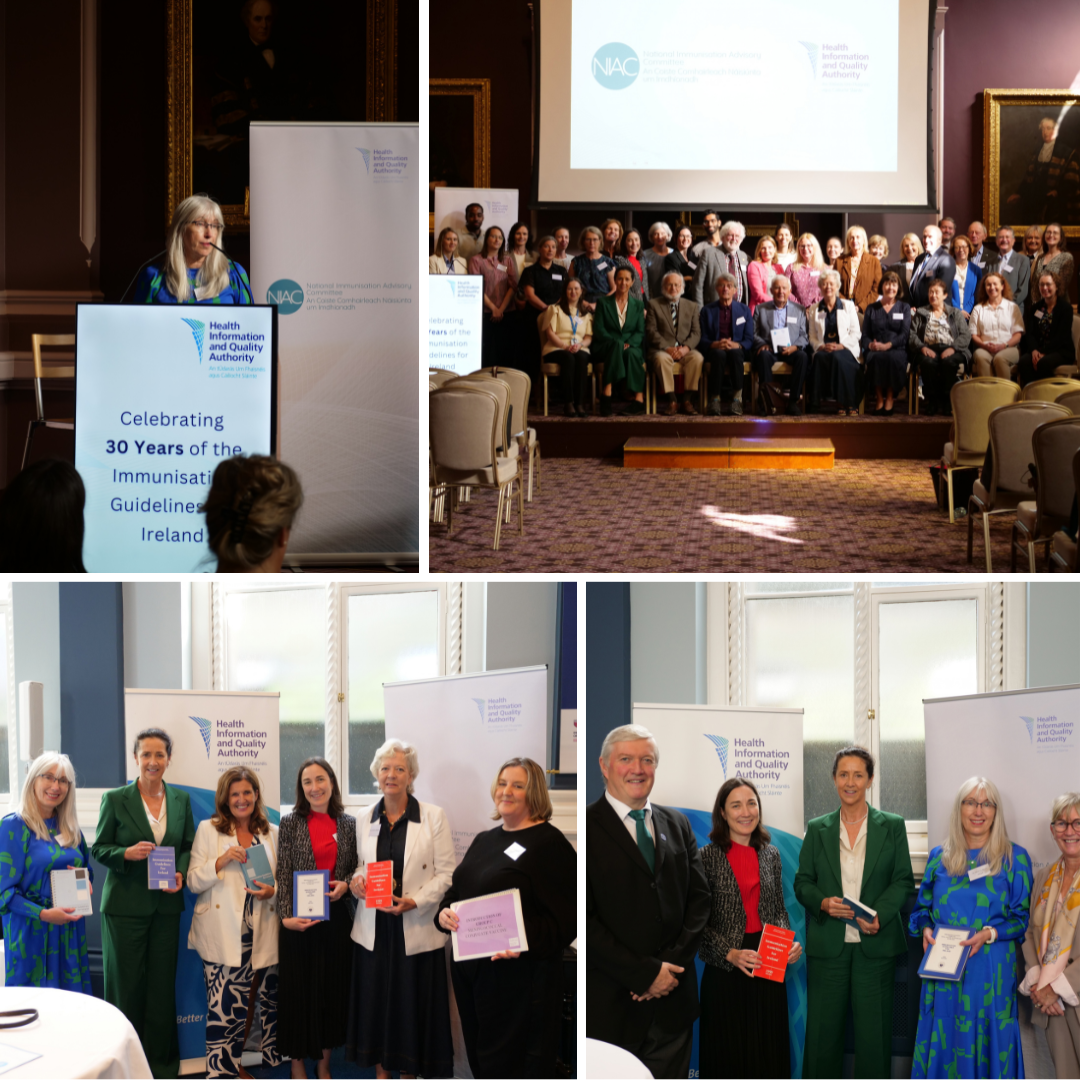
We were delighted to host an event in the Royal College of Physicians of Ireland in September to mark 30 years of the Immunisation Guidelines for Ireland. The guidelines are developed by the National Immunisation Advisory Committee (NIAC) and were first published in 1996, aiming to develop a more accessible and concise guide to immunisation in Ireland and to improve vaccine uptake. Speaking on the day, our Chief Executive Angela Fitzgerald acknowledged current and former members of the Committee, who generously volunteered their time to develop and improve the guidelines over the last 30 years while Dr Máirín Ryan, Deputy Chief Executive and Director of Health Technology Assessment, highlighted NIAC’s role in providing evidence-based expertise to inform safe and effective immunisation policies. |
|
|
Putting the voices of residents at the heart of our work |
|
|
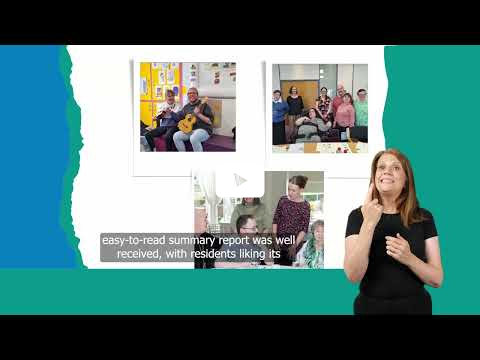
Listening to the people who use services is central to how we work. Our Resident Forums Report 2025 brings together the experiences, views and priorities of residents of disability services who took part our forums last year. Residents told us what matters most to them, and highlighted the importance of meaningful relationships, independence, activities, communication, privacy and feeling respected and listened to.
The forums are an important reminder that residents’ lived experiences must remain at the heart of our work. We will continue listening, learning and using their feedback to improve how we communicate and engage with residents, ensuring that their voices voces help shape how we work. |
|
|
|
Continued improvement in compliance with ionising radiation regulations
Our first standalone report on the regulation of medical exposure to ionising radiation, which looks at how services are protecting patients who have procedures such as X-rays, CT scans and radiotherapy, was published in September.
Findings from our Overview Report on the Regulation of Medical Exposure to Ionising Radiation in 2025 highlighted continued improvements in how healthcare services are meeting requirements designed to protect people undergoing procedures involving ionising radiation. It also identified areas where services can continue to improve, including learning from accidental or unintended exposures and strengthening practices to reduce the risk of these happening again.
HIQA protects patients by inspecting services, monitoring compliance and sharing learning from incidents. This work helps healthcare providers improve how they use ionising radiation and ensures that patient safety remains at the centre of medical imaging and radiotherapy. |
|
|
|
|
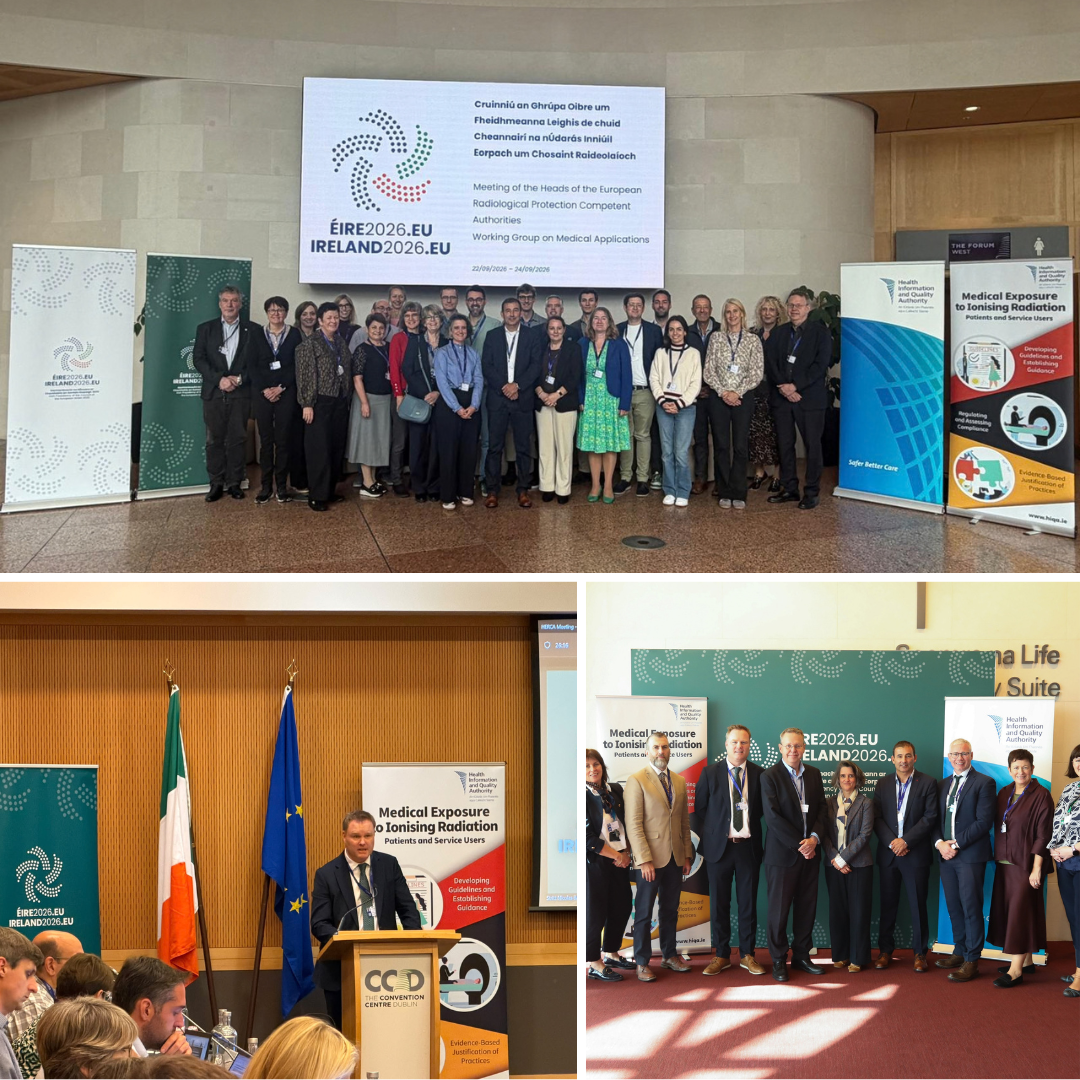
In association with the Department of Health, we recently co-hosted a meeting of the Heads of the European Radiological Protection Competent Authorities (HERCA) Working Group on Medical Applications at the Convention Centre Dublin. The meeting brought together European colleagues to share experience and learning on the safe use of ionising radiation in healthcare, with HIQA representing Ireland. During the meeting, HERCA launched a new European inspection campaign focusing on how healthcare services ensure that radiological procedures are appropriate for patients. Participants also discussed areas including nuclear medicine, non-medical imaging and patient protection. HIQA’s participation in HERCA provides an important opportunity to share learning with other European regulators and bring this knowledge into our regulatory work in Ireland. This international cooperation supports our work to promote patient safety and improve the quality and safety of services using ionising radiation. |
|
|
Have your say on improving healthcare for young people moving to adult services
We are seeking feedback and suggestions on how healthcare could be improved for people with severe neurological impairment (SNI) as they move from children’s to adult services.
SNI describes a range of conditions affecting the brain, spinal cord or nervous system that begin in childhood and result in significant physical and intellectual disabilities. People with these conditions can have complex healthcare needs and may need ongoing support throughout their lives. Moving from children’s to adult healthcare can be challenging. Adult care is often provided by a number of different services, making it more difficult for people and their families to know where to go and who is coordinating their care. Our draft assessment looks at how this transition could be improved and how adult healthcare services could provide more joined-up, ongoing care.
We want to hear from people with experience of these services, their families and carers, healthcare professionals and members of the public. The consultation is open until 5pm on Friday 13 November and your feedback will help inform our final advice to the Minister for Health. |
|
|
|
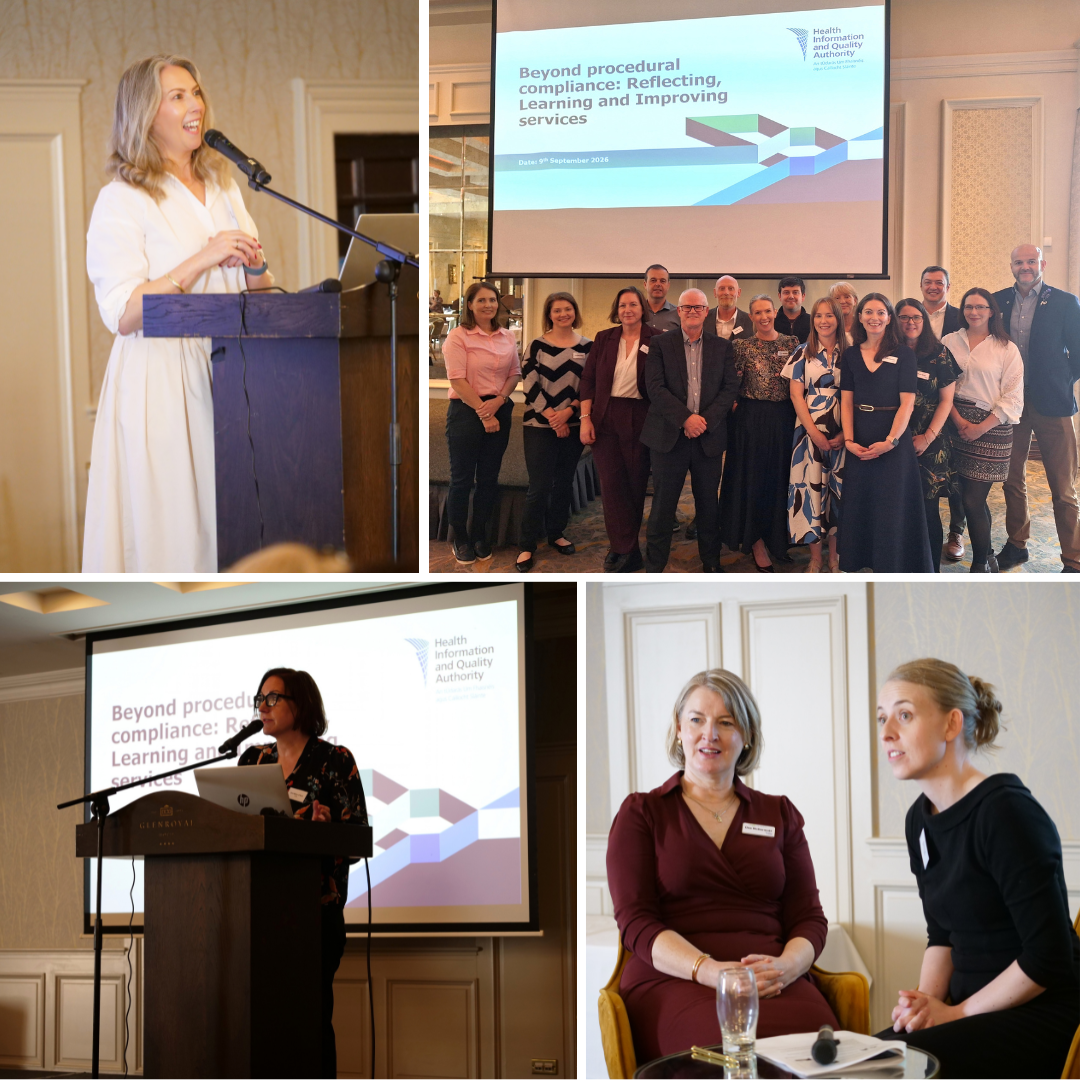
During September we held four roadshow events for providers of disability services, focusing on the theme of ‘Beyond procedural compliance: reflecting, learning and improving services’. These events considered the opportunities and challenges involved in delivering high-quality, person-centred services. Through presentations, discussion and shared experiences, attendees explored how reflection, learning and continuous improvement can strengthen outcomes for people using services. A key feature of the four days was the openness and engagement of participants, with providers sharing insights from their own journeys and contributing to thought-provoking discussions on quality, governance and improvement. Thank you to everyone who attended and contributed to conversations with the shared aim of better outcomes and safer, more responsive services for people with disabilities. |
|
|
Providing evidence to support informed health policy decision-making
In recent months, our health technology assessment (HTA) and evidence synthesis work has continued to support informed policy decisions, helping to shape the future of health services in Ireland.
We recently published a review of the COVID-19 vaccination, which found that vaccination remains safe and effective, with the greatest protection against severe disease. The assessment will inform decisions on which groups should receive publicly funded vaccination from the 2027-2028 campaign onwards.
We also started work on a review of the use of cochlear implants for adults. Early work has identified that cochlear implants are the only available intervention that can potentially restore hearing in the affected ear. The assessment will examine the benefits, safety, costs and wider implications of expanding current funding criteria, potentially giving more adults with hearing loss the option of receiving an implant.
Together, these projects demonstrate how HIQA’s work supports decision-makers by providing robust, independent evidence, helping to ensure policies are effective, sustainable and focused on achieving the best possible outcomes for people using health services. |
|
|
|
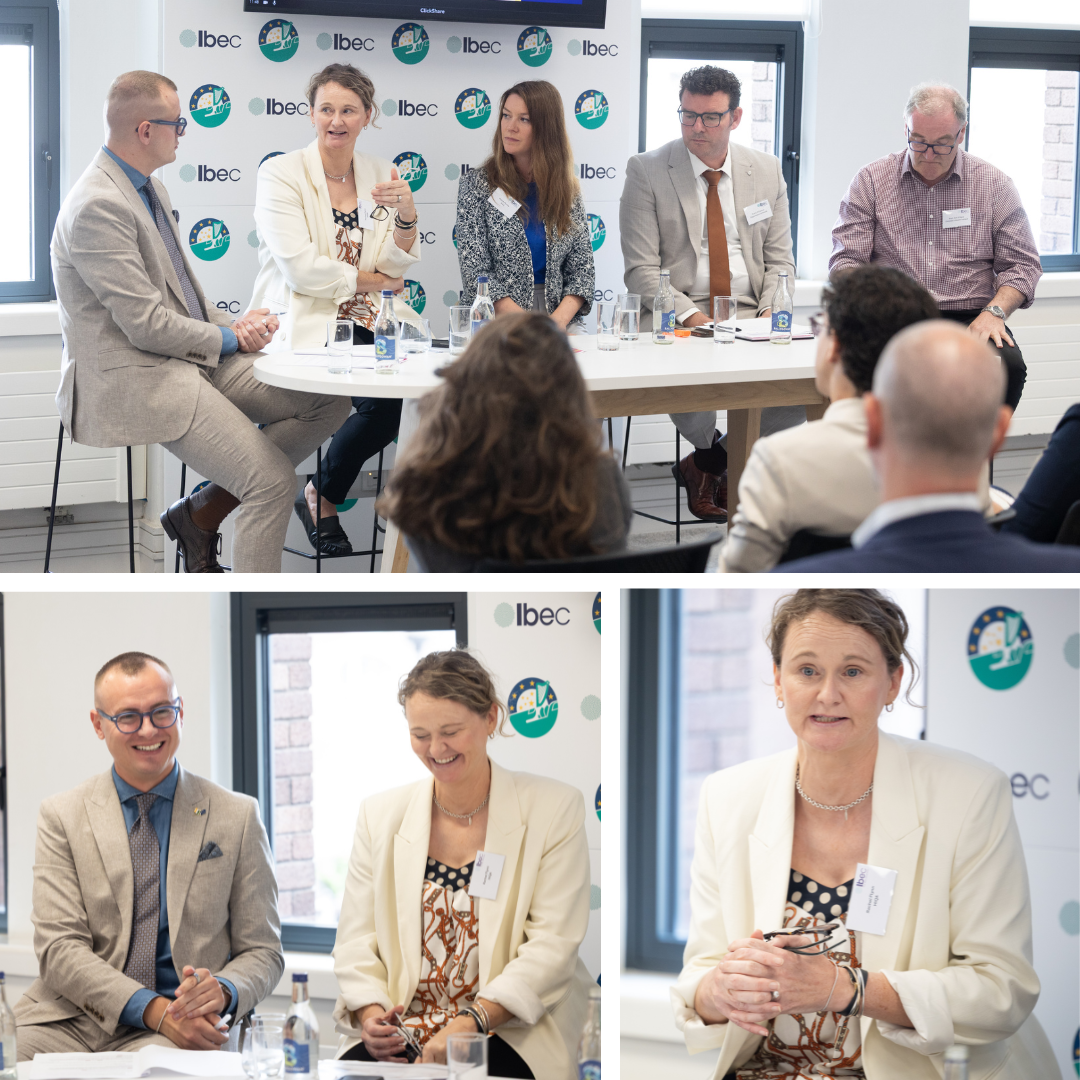
Rachel Flynn, our Director of Health Information and Standards, spoke as part of a panel discussion at the Ibec Digital Health Forum in July. Rachel shared key insights on the opportunities and challenges associated with ensuring the successful implementation of the European Health Data Space (EHDS) in Ireland. This was an Associated Presidency event as part of Ireland’s Presidency of the Council of the European Union 2026 and reflected Government’s recognition of digital health as a strategic priority. You can learn more about how we are helping lead Ireland’s preparation for the EHDS Regulation on our website. |
|
|
|
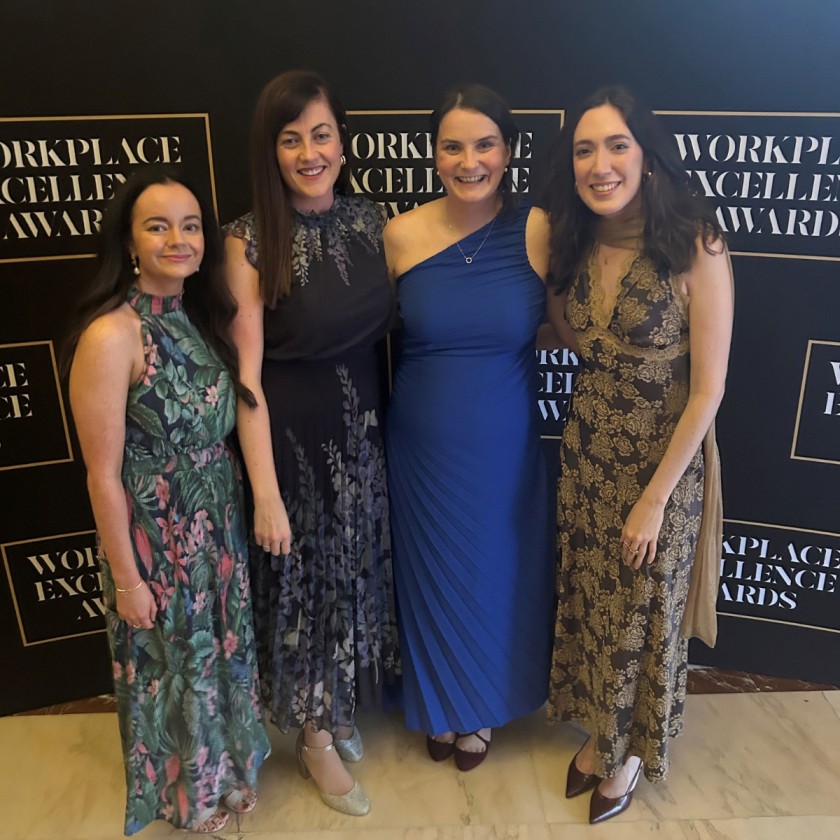
We are proud to share that our Diversity and Inclusion Working Group was nominated in the ‘Team of the Year – Medium’ category at the recent Workplace Excellence Awards. Diversity and inclusion are central to how we work at HIQA. An inclusive workplace ensures that every colleague is respected, valued and able to contribute fully, and that strengthens the quality of the work we do for the public we serve. |
|
|
Was this newsletter forwarded to you? |
|
|
|
© 2026. Published by the Health Information and Quality Authority, George's Court, George's Lane, Dublin 7, D07 E98Y.
You have received this email because you are subscribed to our newsletter. |
|
|
|
|