|
|
|
|
|
Bucketloads of difference |
|
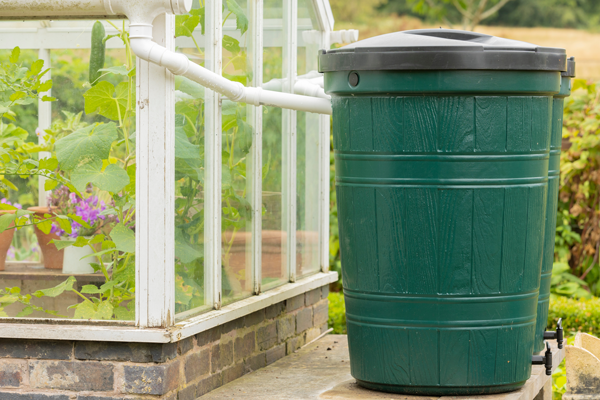
Dry weather can put pressure on rivers, reservoirs and wildlife, but there are simple ways we can all help. Installing a water butt is one of the easiest. It captures rainwater throughout the year, providing a free supply for your garden when conditions are dry. Rainwater is often better for plants too, helping you keep your garden thriving while reducing demand on treated tap water. |
|
|
|
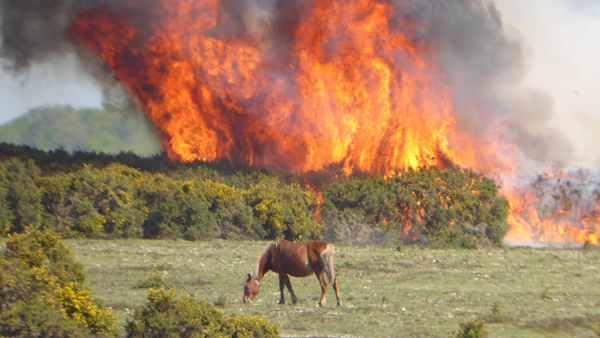
Pic from New Forest National Park |
|
Don't let nature go up in smoke |
|
After prolonged dry weather, grassland, heathland and woodland can become vulnerable to wildfire. The good news is that most wildfires are preventable. Taking litter home, avoiding disposable barbecues in the countryside, properly extinguishing smoking materials and following local guidance can all help protect precious habitats. By enjoying the outdoors responsibly, we can help keep wildlife, landscapes and communities safe during periods of increased fire risk. The national ban on disposable barbecues remains in place. |
|
|
|
Grow smarter, not thirstier |
|
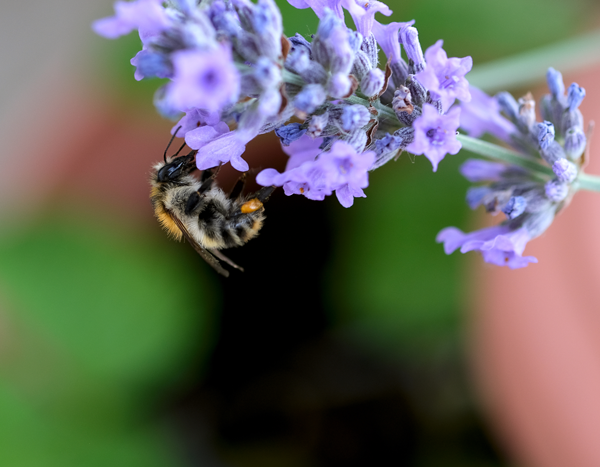
Longer dry spells don't have to mean dull gardens. Choosing drought-tolerant plants such as lavender, rosemary and sedum can help create vibrant outdoor spaces that need less watering. Leaving grass slightly longer can also help the soil retain moisture, while adding mulch around plants reduces evaporation and keeps roots cooler. A few simple changes can make gardens more resilient, saving water while still providing valuable habitats for pollinators and other wildlife. |
|
|
|
|
|
|
|