|
|
|
|
|
|
Extreme heat events can cause heat exhaustion and heatstroke, which can be very dangerous. Knowing how to keep yourself cool and spot the signs of heat exhaustion could prove to be a lifesaver. NHS advice on preventing heat exhaustion and heatstroke includes: - drink more cold drinks, especially if you're active or exercising
- wear light-coloured, loose clothing
- avoid the sun between 11am and 3pm
- avoid drinking too much alcohol
- avoid extreme exercise
|
|
|
|
|
In extreme heat, many homes in the UK can get very uncomfortable as they are better suited to keeping us warm in the winter than they are to keeping us cool in the summer. When the hot weather hits, there are some things you can do to keep your home cool. Here are some tips from the Red Cross (which you can read in more detail on their website): - Keep warm air out during the day and ventilate at night
- Cover windows and close curtains and blinds
- Avoid generating more heat
- Use fans effectively
- Create a cool room or find a cool space somewhere else
In the long term, you might want to investigate shutters to shade your home or air conditioning to cool the air. Air conditioning is considerably more energy intensive than running a fan, but you could reduce the environmental impact if you can power it with solar panels. To find out how to make your home more comfortable and resilient during extreme weather events, go along to Petersfield Eco Fair on Sunday 12 July and take the opportunity to ask PeCAN’s energy adviser, Neil. |
|
|
|
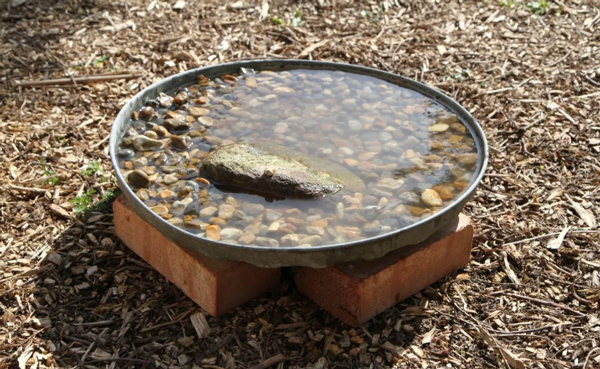
Pic: DIY bird bath from RSPB website. |
|
Supporting nature in the heat |
|
Extreme heat as we have seen recently can have a massive impact on wildlife. It is thought that more birds die from dehydration in the summer than cold in the winter. One thing ACAN recommends is putting a water source in your garden. Any size will help, a bowl of water, water butt or even a pond can help insects and birds to survive in the heat. Ponds and bird baths act as a magnet for biodiversity. They provide crucial hydration and breeding grounds for birds, insects, hedgehogs and amphibians. The RSPB has tips on making and maintaining the perfect bird bath, which you’ll need to clean regularly.
|
|
|
|
|
|
|
|